



The Fate of the Displaced: Navigating Germany’s Most Controversial Exhibition

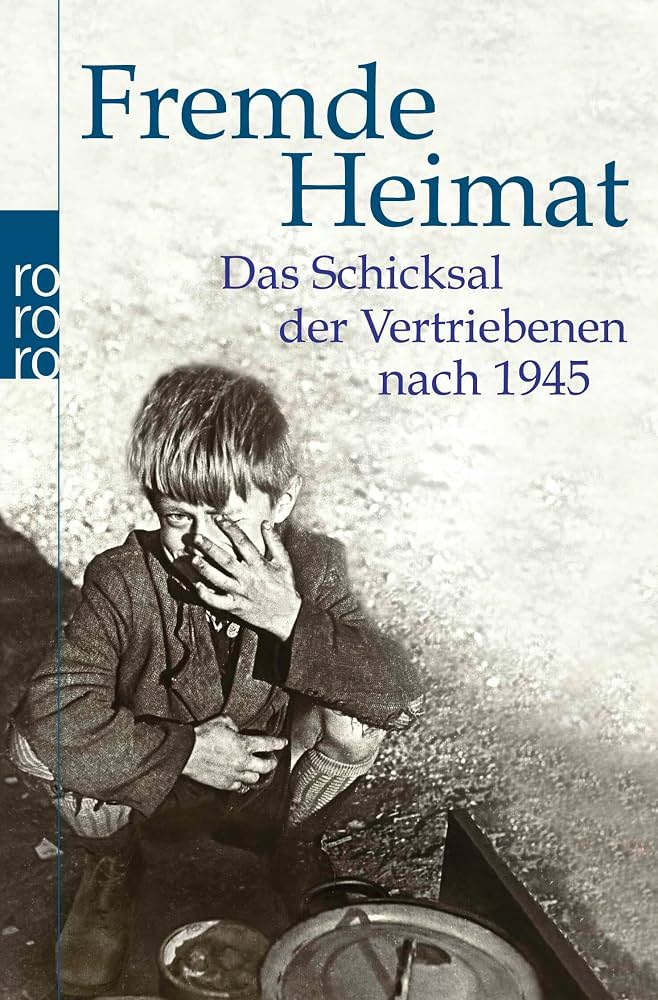
The Fate of the Displaced: Navigating Germany’s Most Controversial Exhibition
In the heart of Berlin lies the Documentation Center for Flight, Expulsion, and Reconciliation, a site that grapples with the complex narratives surrounding the displacement of millions of Germans post-World War II. Despite its critical importance, the exhibition faces accusations of inadequately addressing the German experience, raising questions about memory politics and national identity in contemporary Germany.
A Cold Welcome: Visitor Attendance and Perception
The exhibition’s entrance is inviting, yet the lack of visitors—only 50,000 annually—hints at a deeper disconnect. Critics suggest that the cumbersome title and the exhibition’s focus may deter potential attendees. The Bund der Vertriebenen (BdV) argues that the exhibition fails to resonate emotionally with the German victims of displacement, while others believe it lacks the necessary context to engage a broader audience.
Memory Politics: The Struggle for Representation
At the core of the exhibition’s controversy is the portrayal of German expellees. While the exhibition aims to highlight forced migrations in Europe, critics claim that it dilutes the specific experiences of German refugees. The BdV’s president has likened the center to a ‘general migration institution,’ arguing that the absence of documented histories undermines the unique narratives of those displaced. This raises significant concerns about how memory politics shape public understanding of historical injustices.
The Challenge of Visual Representation
The exhibition’s approach to visual storytelling is notably restrained, with minimal representation of the trauma experienced by German refugees. Iconic imagery, such as the harrowing treks of East Prussian refugees, is conspicuously absent. Instead, the display opts for a more subdued presentation, which some view as a missed opportunity to convey the emotional weight of the subject matter. The lack of visceral engagement leaves many visitors with a sense of detachment from the historical events.
Political Underpinnings: A Shifting Landscape
Recent political shifts have reignited debates surrounding the exhibition’s focus. With the Christian Social Union (CSU) now holding the Federal Ministry of the Interior, there are renewed efforts to emphasize the plight of German expellees. Proposed legislative changes aim to clarify the exhibition’s mandate, raising alarms among historians who fear a potential paradigm shift in memory politics that could jeopardize reconciliation efforts with Poland.
Public Sentiment and Future Directions
Public opinion appears divided, with some advocating for a more pronounced focus on German displacement, while others caution against oversimplifying complex historical narratives. As funding for cultural institutions faces scrutiny, the pressure mounts for the Documentation Center to demonstrate its relevance. The challenge remains: how to balance the specific experiences of German expellees with the broader context of European migration without compromising the integrity of either narrative.
الخلاصة: The fate of the displaced remains a poignant chapter in Germany’s history, intricately tied to contemporary discussions of memory and identity. As the Documentation Center navigates these turbulent waters, its ability to authentically represent the experiences of German refugees while fostering a comprehensive understanding of forced migration will be crucial in shaping future dialogues around reconciliation and historical memory.