



Trump’s Minimal Deal: A Strategic Mirage or a Tactical Victory?

Trump’s Minimal Deal: A Strategic Mirage or a Tactical Victory?
In the complex web of international diplomacy, the recent framework agreement between the U.S. and Iran presents a paradoxical scenario. While President Trump aims to frame this minimal deal as a significant victory, the underlying realities suggest a far more nuanced and precarious situation. Is this truly a diplomatic triumph, or merely a façade masking deeper failures?
The Illusion of Victory
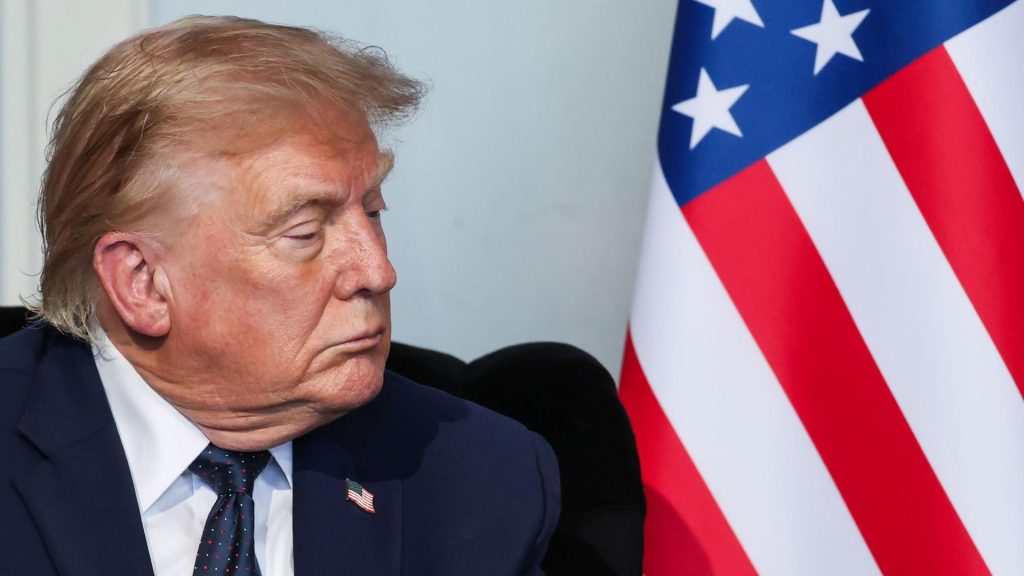
President Trump’s portrayal of the recent framework agreement as a major success raises eyebrows among analysts and experts alike. Cornelius Adebahr, a Middle East expert, points out that the deal is essentially a temporary cessation of hostilities, lacking any substantial commitments or resolutions regarding Iran’s nuclear ambitions. The absence of a signed agreement underscores the fragility of this diplomatic endeavor, suggesting that Trump’s narrative may be more about salvaging his image than achieving meaningful progress.
Iran’s Strategic Gains
As the U.S. grapples with the implications of this framework, Iran emerges as a surprisingly resilient player. The Iranian regime, having successfully defended its position, now wields greater influence over critical maritime routes like the Strait of Hormuz. Adebahr notes that the war has failed to achieve its initial objectives, such as regime change or a clearer understanding of Iran’s nuclear program. Instead, Iran has solidified its control, raising concerns that any future agreements may offer even less oversight than previous accords, particularly given the U.S.’s withdrawal from the 2015 nuclear deal.
Domestic Pressures and International Dynamics
The interplay between U.S. domestic politics and international relations cannot be overlooked. Trump faces mounting pressure to conclude the conflict he initiated, and this urgency may lead to concessions that undermine long-term security. Furthermore, Israeli Prime Minister Benjamin Netanyahu’s positioning complicates matters; with elections looming, his reluctance to embrace a peace agreement with Iran reflects a broader strategy to maintain a hardline stance against perceived threats. This dynamic creates a precarious balance, where both Trump and Netanyahu must navigate their respective political landscapes while managing the volatile situation in the region.
الخلاصة: In conclusion, while Trump may attempt to frame the minimal agreement with Iran as a diplomatic victory, the reality is far more complex. The lack of substantive commitments, coupled with Iran’s strengthened position, suggests that this deal may merely be a temporary reprieve rather than a definitive resolution. As both leaders maneuver through their political challenges, the potential for miscalculations looms large, leaving the future of U.S.-Iran relations shrouded in uncertainty.