



A Fragile Peace: The EU’s Role in the US-Iran Deal and the Reopening of Hormuz

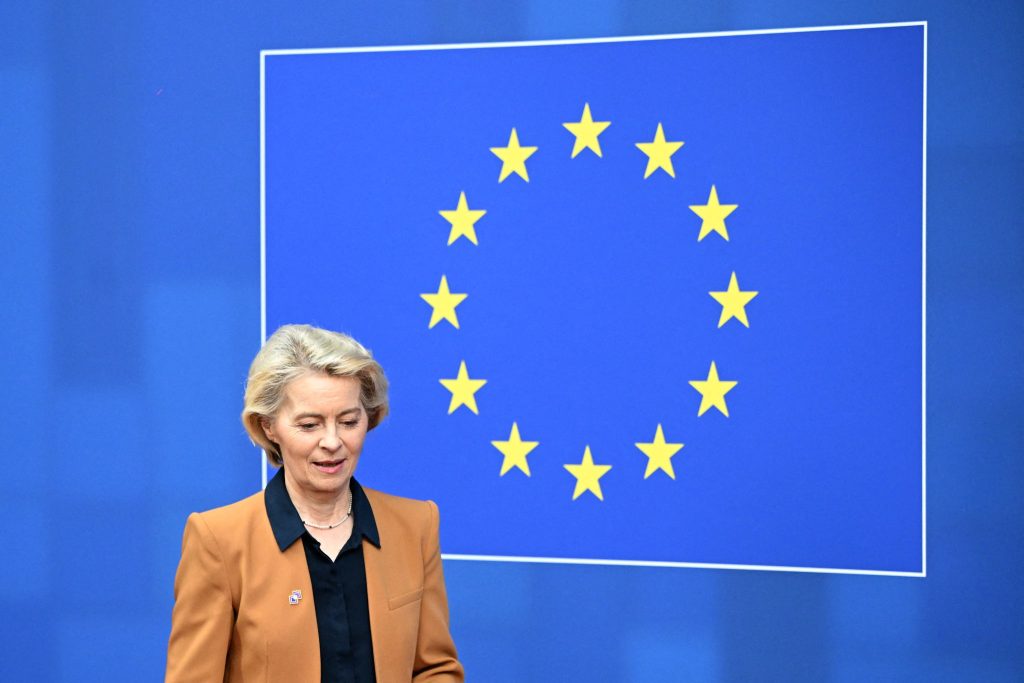
A Fragile Peace: The EU’s Role in the US-Iran Deal and the Reopening of Hormuz
As global tensions simmer and the specter of war looms large, the recent announcement of a US-Iran deal to end hostilities and reopen the crucial Strait of Hormuz has sent ripples through international politics. While European leaders express optimism, the underlying complexities of this agreement raise critical questions about its sustainability and the true motivations behind the scenes.
The EU’s Strategic Positioning: A Call for Lasting Peace
In the wake of the US-Iran deal, senior EU officials have been quick to commend the efforts aimed at ending the war across multiple fronts, including Lebanon. António Costa, the president of the European Council, articulated a vision for a ‘lasting peace,’ emphasizing the EU’s readiness to contribute to this endeavor. However, the rhetoric of peace must be scrutinized against the backdrop of the EU’s strategic interests in the region. The call for weapons to fall silent is not merely a humanitarian plea; it is a strategic maneuver to stabilize a region that is vital for European energy security and economic interests. The EU’s involvement could be seen as an attempt to reclaim its influence in a geopolitical landscape increasingly dominated by US-Iranian dynamics.
Macron’s Military Mission: A Double-Edged Sword
Amidst the diplomatic overtures, French President Emmanuel Macron’s announcement of a military mission to secure maritime traffic in the Strait of Hormuz raises eyebrows. While he asserts that the mission is ready to deploy, one must question the implications of military involvement in a region already fraught with tension. Macron’s assertion that unrestricted maritime traffic is essential for regional stability and the global economy masks a deeper concern: the potential for military escalation under the guise of peacekeeping. The readiness of military assets suggests a precarious balance between diplomacy and the readiness to exert force, hinting at the EU’s dual role as both a peacemaker and a potential aggressor.
الخلاصة: The US-Iran deal, while a step towards ending a costly conflict, is fraught with complexities that challenge its viability. The EU’s enthusiastic endorsement and military readiness signal a desire to play a pivotal role in shaping the future of the Middle East. However, as leaders navigate these turbulent waters, the true motivations behind their actions must be critically examined. Will this fragile peace hold, or are we witnessing the calm before another storm? The answers lie in the delicate interplay of diplomacy, military strategy, and the ever-present specter of hidden agendas.