



The Parental Duty and Right: A Critical Examination of Educational Responsibilities

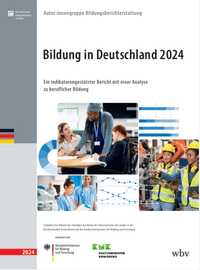
The Parental Duty and Right: A Critical Examination of Educational Responsibilities
In the contemporary educational landscape, the role of parents in shaping their children’s future is both a right and a responsibility. The ‘Bildungsbericht’ highlights the crucial link between parental involvement and educational success, raising essential questions about the implications of this dynamic, especially in contexts where fundamental skills, such as language proficiency, may be lacking. This analysis delves into the complexities of parental obligations and the state’s role in ensuring equitable educational opportunities.
The Foundation of Parental Responsibility
At the core of the ‘Bildungsbericht’ is the assertion that parents bear the primary responsibility for the upbringing and education of their children. This responsibility is not merely a societal expectation but is enshrined in the constitution, reflecting a historical understanding of the dangers posed by totalitarian regimes. The report underscores that educational outcomes are significantly influenced by the educational level of parents, suggesting that a higher parental education correlates with better academic performance in children. This relationship highlights the importance of nurturing an environment conducive to learning within the home.
The State’s Role in Addressing Educational Disparities
While parents are primarily responsible for their children’s education, the state has a pivotal role in addressing disparities, particularly when fundamental competencies are lacking. The report points out the detrimental effects on children who enter school without basic language skills, despite being born in the country. This situation not only hampers individual development but also poses challenges to the community at large. The call for uniform assessment of language acquisition in early childhood reflects a proactive approach to mitigate these issues. However, the debate around mandatory early childhood education, especially for children under three, raises questions about the balance between educational necessity and the need for familial bonding and security.
الخلاصة: In conclusion, the ‘Bildungsbericht’ serves as a critical reminder of the intertwined roles of parents and the state in fostering educational success. While parents hold the primary responsibility for their children’s upbringing, the state’s intervention is essential in ensuring that all children have access to the foundational skills necessary for their future. As society navigates these complex dynamics, it is crucial to strike a balance that respects parental rights while addressing the needs of children who may otherwise fall behind.