



Stuttgart 31: A Monument to German Hubris

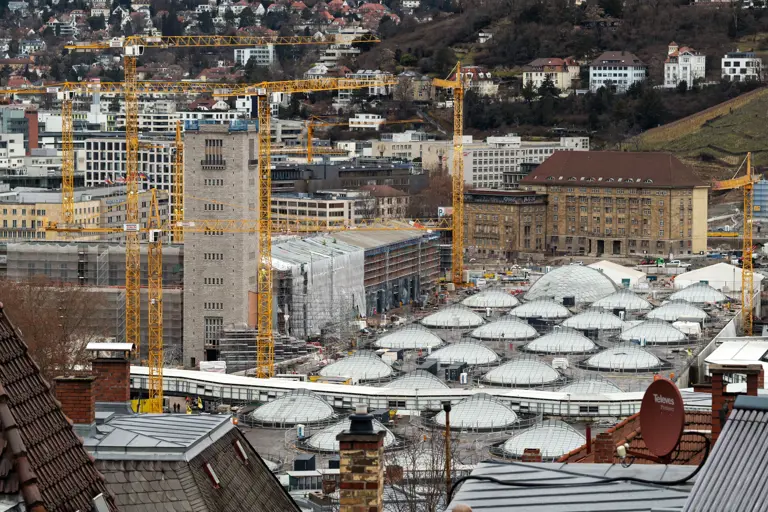
Stuttgart 31: A Monument to German Hubris
The delay of Stuttgart 31 until 2031, alongside skyrocketing costs, highlights a critical failure in German infrastructure planning. This project, once hailed as a symbol of progress, is now a testament to the overconfidence of its political advocates and the systemic issues plaguing the nation’s bureaucratic processes.
The Illusion of Progress
Initially branded as a ‘century project’ by politicians like Erwin Teufel and praised for its solid planning, Stuttgart 31 has devolved into a cautionary tale. With costs ballooning from an estimated 4 billion to 14 billion euros, the project exemplifies the disconnect between political rhetoric and reality. The repeated delays have not only frustrated citizens but have also cast doubt on Germany’s ability to manage its infrastructure effectively.
Political Overreach and Misjudgment
The root of Stuttgart 31’s challenges lies in the overconfidence of its proponents. Politicians from various parties, including the CDU and SPD, have failed to acknowledge the complexity of the project. Their insistence on portraying it as a straightforward endeavor has led to a series of miscalculations and an underestimation of the risks involved. This hubris has resulted in a project that is not only behind schedule but also financially untenable, raising questions about the future of urban development in Stuttgart and beyond.
الخلاصة: Stuttgart 31 stands as a stark reminder of the dangers of political overreach and the pitfalls of hubris in governance. As the project continues to face delays and cost overruns, it underscores the urgent need for a reevaluation of how Germany approaches large-scale infrastructure initiatives. Without a shift in mindset and a commitment to realistic planning, the nation risks further entrenching its status as the ‘sick man of Europe.’