



The Fragility of Peace: Analyzing the US-Iran Agreement as a Flawed Deal

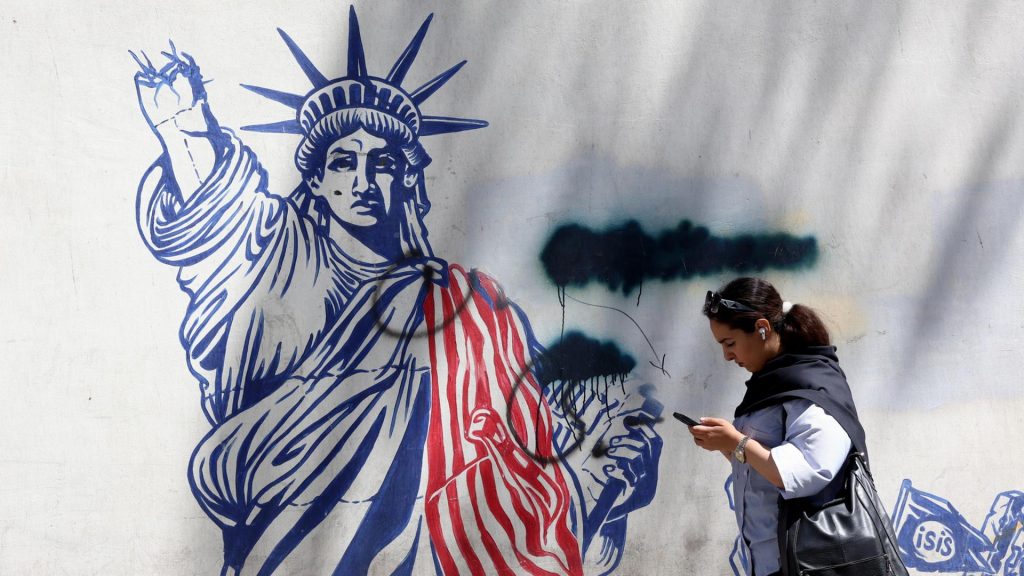
The Fragility of Peace: Analyzing the US-Iran Agreement as a Flawed Deal
The recent agreement between the United States and Iran, while heralded as a step towards peace, raises significant concerns about its long-term implications. Critics argue that this deal may inadvertently bolster the Iranian regime and fail to address the core issues that led to conflict in the first place.
A Pyrrhic Victory for the US
The reopening of the Strait of Hormuz is touted as a major achievement for the US, yet it is a dubious claim. Prior to the conflict, Iran had already maintained access to this vital trade route. The US administration’s apparent ignorance of Iran’s strategic capabilities reflects a broader miscalculation in their approach to negotiations, suggesting a lack of foresight and understanding of the regional dynamics at play.
Empowerment of the Iranian Regime
The agreement seems to signal a significant diplomatic victory for Iran, allowing it to resume oil exports and easing economic sanctions. This shift not only strengthens the regime financially but also undermines the very sanctions that were meant to curb its influence. Furthermore, Iran’s assurances regarding its nuclear ambitions are met with skepticism, as past behaviors indicate a pattern of deception and escalation in uranium enrichment. The postponement of discussions on nuclear regulations highlights the US’s weakened negotiating position.
Potential for Renewed Conflict
The deal’s implications extend beyond Iran, particularly concerning the situation in Lebanon. By conceding to Iranian demands for an end to hostilities involving Israel, the US risks alienating a key ally and potentially reigniting tensions in the region. The absence of Israeli participation in the negotiations raises questions about the deal’s sustainability and the likelihood of future conflicts erupting as a result.
A Moral Quandary
The narrative surrounding the US-Iran conflict has often been framed in humanitarian terms, yet this agreement appears to neglect the plight of the Iranian people. With the regime’s oppressive tactics still in place, the deal may inadvertently reinforce the very system that oppresses its citizens. The moral justification for the war, which was predicated on the need to protect human rights, now seems hollow as the agreement empowers the regime at the expense of the Iranian populace.
الخلاصة: In conclusion, while the US-Iran agreement may be celebrated as a diplomatic breakthrough, it is fraught with complexities and potential pitfalls. The deal risks empowering a regime that continues to pose a threat both regionally and globally, while failing to address the underlying issues that have fueled conflict. As the world watches, the fragility of this peace remains a stark reminder of the challenges ahead.