



Navigating the Tax Reform Maze: Lars Klingbeil’s Strategic Play to Win Over the Union

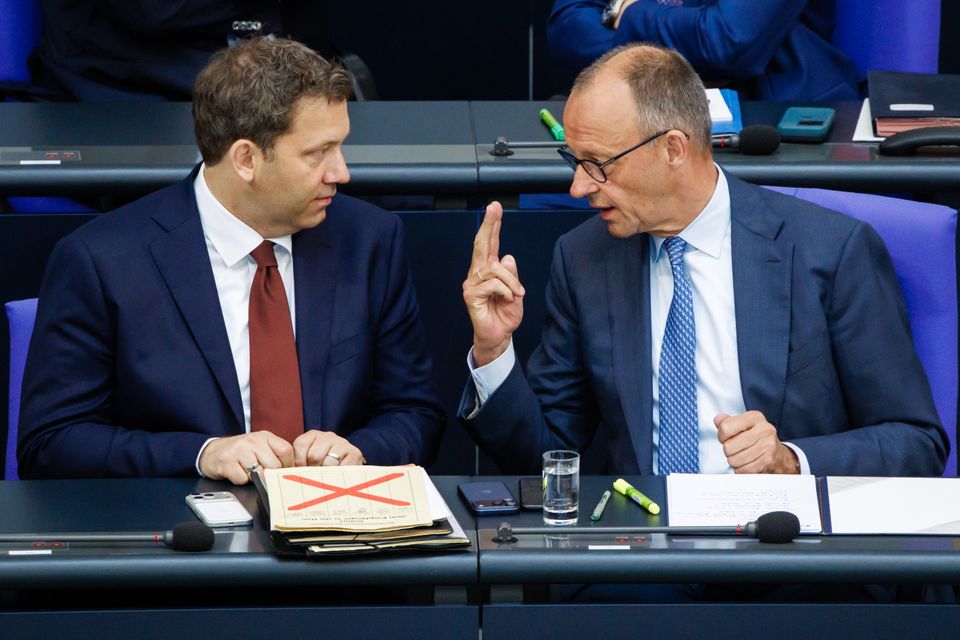
Navigating the Tax Reform Maze: Lars Klingbeil’s Strategic Play to Win Over the Union
As Germany stands on the brink of a pivotal tax reform, the stakes are high for Finance Minister Lars Klingbeil. The current negotiations are fraught with tension, as Klingbeil seeks to bridge the divide with the Union. Central to his strategy are two carefully crafted packages aimed at addressing contentious issues, particularly around inheritance tax. The question remains: will these tactics be enough to garner the Union’s support, or will they exacerbate existing divisions?
The Political Landscape: Understanding the Stakes
The negotiations surrounding the tax reform are taking place in a politically charged environment. The Union, a coalition of conservative parties, has historically been resistant to significant tax changes, particularly those perceived as burdensome to the affluent. Klingbeil’s challenge lies in crafting a proposal that not only addresses the fiscal needs of the government but also appeals to the Union’s core values. By understanding the political landscape, Klingbeil aims to create a reform package that aligns with the interests of both sides.
Klingbeil’s Dual Packages: A Tactical Approach
Klingbeil’s strategy involves presenting two distinct packages that cater to the Union’s concerns while pushing for necessary reforms. The first package focuses on reducing tax burdens for middle-income families, which could resonate well with the Union’s voter base. The second package, however, tackles the more contentious issue of inheritance tax. By proposing a balanced approach that includes exemptions for small businesses and family-owned enterprises, Klingbeil hopes to mitigate backlash from the Union. This dual strategy reflects a nuanced understanding of the complexities involved in tax reform negotiations.
الخلاصة: As the negotiations unfold, the effectiveness of Lars Klingbeil’s strategy will be put to the test. The success of these reform packages hinges not only on their content but also on the ability to foster dialogue and compromise between differing political ideologies. The outcome of this critical phase will shape Germany’s fiscal landscape for years to come, making it imperative for all parties involved to navigate these discussions with foresight and collaboration.