



Trump’s 100% Wine Tax Threat: A Prelude to G7 Tensions

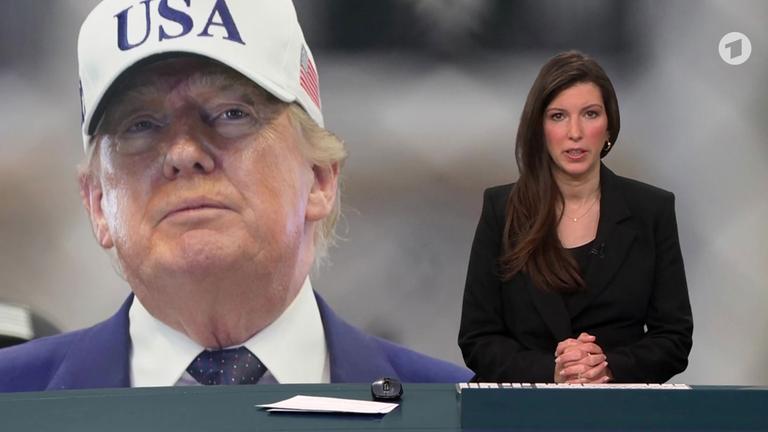
Trump’s 100% Wine Tax Threat: A Prelude to G7 Tensions
As the G7 summit approaches, tensions between the United States and France are escalating, with President Trump threatening a staggering 100% tax on French wines. This move raises critical questions about international trade relations and the potential repercussions for both nations, as well as the broader implications for the global economy.
The Context of the Threat
In an interview with the New York Post, President Trump expressed his frustration over France’s digital tax on American tech companies, which he argues is unfair and discriminatory. He warned French President Emmanuel Macron that if the three percent tax on U.S. digital services remains in place, he would have no choice but to impose a 100% tariff on all French wines and champagnes. This threat is not just a reaction to current policies but taps into a long-standing narrative of trade disputes between the U.S. and Europe, particularly regarding digital taxation that has been a contentious issue since Trump’s first term.
Potential Repercussions on Trade Relations
The implications of such a drastic measure could be far-reaching, potentially reigniting a trade war between the U.S. and the European Union. Currently, French wines are subject to a 15% tariff when exported to the U.S., and a new 100% tariff could lead to retaliatory measures from the EU. This could jeopardize the ongoing negotiations for a 2025 EU-U.S. tariff agreement, which was expected to stabilize trade relations. Furthermore, Trump’s threats have historically been met with skepticism, as many of his previous tariff threats have not materialized. However, the stakes are high, and the potential for a significant escalation in trade tensions looms large.
الخلاصة: In conclusion, Trump’s threat of a 100% wine tax on France underscores the fragility of international trade relations in an increasingly protectionist environment. As the G7 summit approaches, the world watches closely, aware that the outcomes of these discussions could reshape not only U.S.-France relations but also the broader economic landscape. The interplay of political maneuvering and economic strategy will be crucial in determining the future of transatlantic trade.