



Iran’s Triumph and Israel’s Stalwart Stance: The US Framework Deal Faces Its Crucial Test

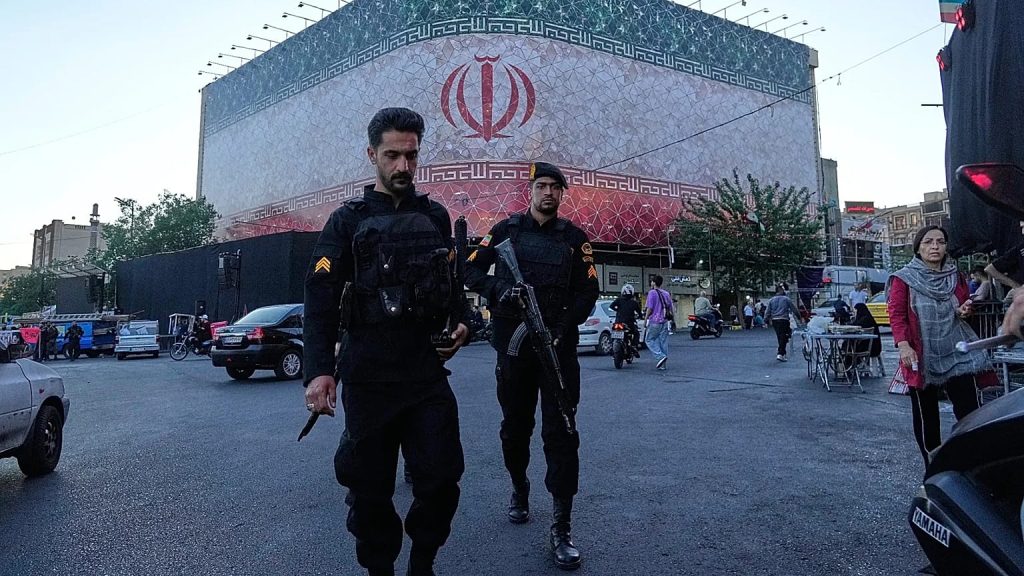
Iran’s Triumph and Israel’s Stalwart Stance: The US Framework Deal Faces Its Crucial Test
In a geopolitical landscape fraught with tension, Iran has proclaimed a significant victory following a contentious agreement with the United States, while Israel remains resolute in its military commitments across the region. This dichotomy raises critical questions about the sustainability of the US framework deal, the implications for regional stability, and the future of Iran-Israel relations. As both nations navigate this complex scenario, the stakes have never been higher.
Iran’s Assertive Posturing: A Declaration of Victory
Following the announcement of the framework deal, Iranian officials have not held back in declaring their triumph over the US. Tehran’s Deputy Foreign Minister, Kazem Gharibabadi, asserted that the agreement marked an ‘immediate end’ to hostilities, framing it as a testament to Iran’s military prowess and resilience. The Iranian military has echoed these sentiments, claiming that their adversaries are left with no choice but to concede defeat. This narrative of victory is further bolstered by Iran’s ambitions to control maritime traffic in the Strait of Hormuz, a critical chokepoint for global oil shipments, which they propose to regulate in partnership with Oman. However, this assertion has met with skepticism and resistance from neighboring Gulf states, raising questions about the legitimacy of Iran’s claims and the potential for escalated tensions in the region.
Israel’s Unyielding Resolve: Defending Its Borders
In stark contrast to Iran’s jubilant declarations, Israel has reaffirmed its commitment to maintaining military operations in Lebanon, Syria, and Gaza, regardless of the newly announced framework deal. Israeli officials, including Prime Minister Benjamin Netanyahu and Defense Minister Israel Katz, have articulated a clear stance: the Israel Defense Forces (IDF) will remain deployed in these areas for an indefinite period to safeguard national security. This determination underscores Israel’s perception of an ongoing threat from Iranian-backed groups, particularly Hezbollah, which has been a focal point of conflict since the onset of hostilities. Additionally, Israeli Finance Minister Bezalel Smotrich has criticized the deal as detrimental, emphasizing the need for continued efforts to counter Iran’s influence and prevent its nuclear ambitions. This unwavering approach suggests that Israel views the situation not as a resolution but as a prolonged struggle for regional dominance.
الخلاصة: As the US framework deal faces its first test amid contrasting narratives from Iran and Israel, the future remains uncertain. Iran’s claims of victory juxtaposed with Israel’s steadfast military posture highlight the complexities of Middle Eastern geopolitics. The unfolding scenario will not only shape the immediate landscape but also influence the broader dynamics of power, security, and diplomacy in the region. The next steps taken by all parties involved will be crucial in determining whether this precarious balance can be maintained or if it will spiral into further conflict.