



Navigating the Waters of Peace: The EU’s Strategic Embrace of the US-Iran Deal

Navigating the Waters of Peace: The EU’s Strategic Embrace of the US-Iran Deal
As global tensions simmer and the specter of conflict looms large, the recent announcement of a deal between the United States and Iran to end hostilities has sent ripples through diplomatic corridors. The European Union, eager to position itself as a pivotal player in Middle Eastern stability, has welcomed this development with open arms. But beneath the surface of this apparent diplomatic triumph lies a complex web of motivations and implications that warrant a closer examination.
The EU’s Calculated Response: A New Role in Middle Eastern Diplomacy
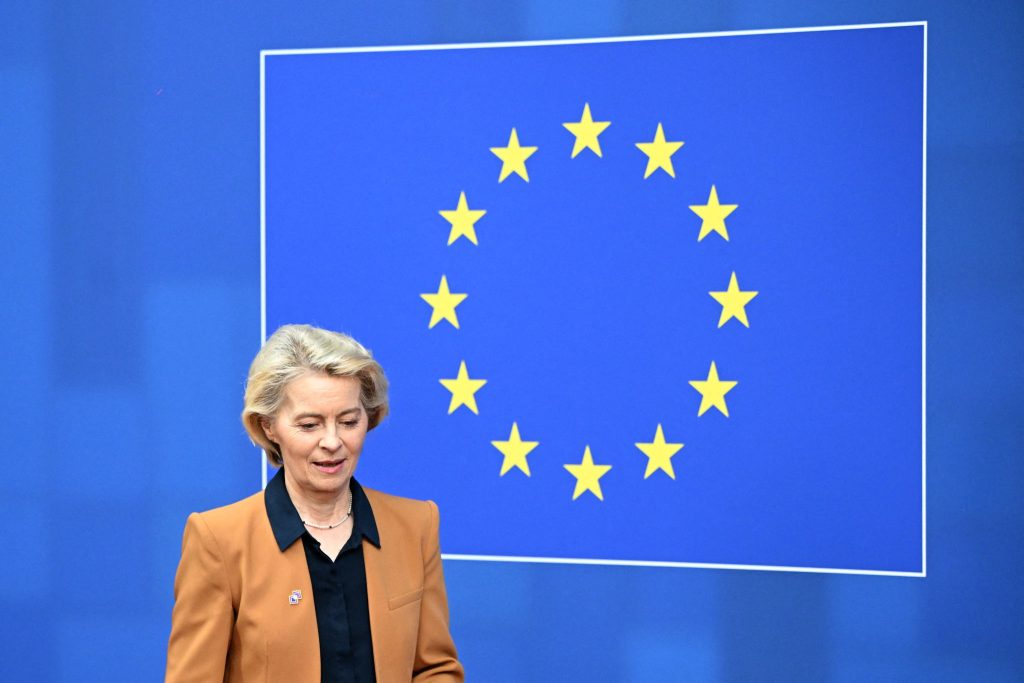
The EU’s enthusiastic endorsement of the US-Iran deal is not merely a gesture of goodwill; it reflects a strategic pivot towards greater involvement in Middle Eastern affairs. António Costa, the president of the European Council, articulated a vision of ‘lasting peace,’ yet the EU’s commitment to this cause raises questions about its true capabilities and intentions. With a history of being sidelined in major geopolitical negotiations, the EU’s readiness to contribute to peace efforts signals a desire to reclaim its influence. However, critics argue that this eagerness may mask deeper insecurities about Europe’s own geopolitical relevance, particularly in the face of US and Chinese assertiveness.
Strait of Hormuz: A Geopolitical Chessboard
The reopening of the Strait of Hormuz, a critical artery for global oil supplies, is framed as a victory for regional stability. Yet, the complexities surrounding this waterway cannot be understated. Ursula von der Leyen’s emphasis on respecting Lebanon’s sovereignty and the need for a genuine ceasefire hints at the multifaceted challenges that remain. The EU’s involvement, particularly France’s military mission readiness, underscores a dual strategy: promoting peace while simultaneously positioning itself as a security guarantor in a volatile region. This raises concerns about the potential for unintended escalation, as military assets are deployed under the guise of ensuring safe passage. The interplay between diplomacy and military readiness reveals the EU’s precarious balancing act in a landscape fraught with historical animosities and competing interests.
الخلاصة: In conclusion, while the EU’s welcome of the US-Iran deal may be perceived as a diplomatic success, it is imperative to scrutinize the underlying motivations and potential consequences of this newfound engagement. As Europe steps into a more assertive role in Middle Eastern affairs, the delicate balance between promoting peace and maintaining regional stability will be tested. The true measure of success will not be merely in the cessation of hostilities, but in the EU’s ability to navigate the intricate dynamics of a region where the stakes are nothing short of existential.