



Stuttgart 31: A Symbol of German Hubris

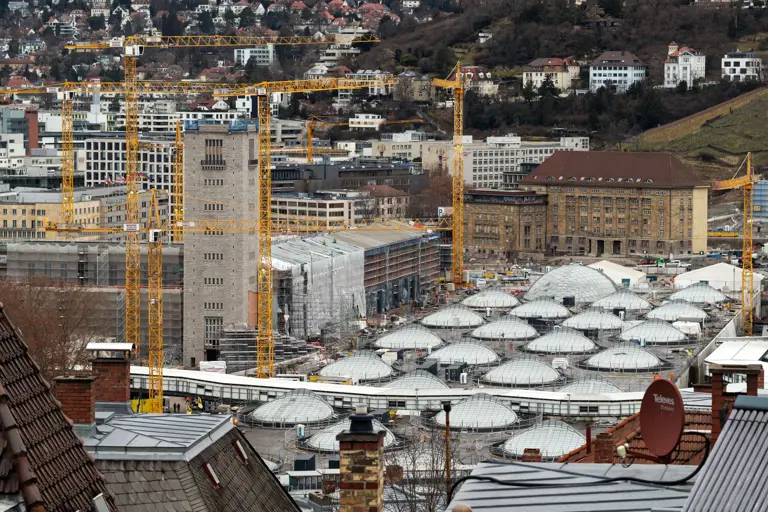
Stuttgart 31: A Symbol of German Hubris
The delay of Stuttgart 31 until 2031, alongside soaring costs, highlights a critical issue: the overconfidence of German politicians in managing complex infrastructure projects. This situation not only reflects on Stuttgart but casts a shadow over the entire nation’s capacity for efficient governance.
The Cost of Overconfidence
The staggering increase in project costs from 4 billion to an estimated 14 billion euros exemplifies a severe miscalculation. Politicians, once optimistic about the project’s feasibility, now face backlash as the opening date slips further into the future. This financial burden raises questions about fiscal responsibility and strategic planning at the highest levels of government.
Political Accountability and Public Perception
As the project faces delays, public trust in political leaders diminishes. Stuttgart’s Mayor and state officials have labeled the situation a ‘disaster’, reflecting growing frustration among citizens and commuters. The inability to deliver a functional transportation hub not only undermines local development but also serves as a cautionary tale about the risks of political grandstanding without substantive planning.
الخلاصة: Stuttgart 31 stands as a stark reminder of the pitfalls of political overreach and the critical need for realistic project assessments. As Germany grapples with its infrastructure challenges, the lessons from Stuttgart must inform future endeavors to restore public confidence and ensure effective governance.