



Lars Klingbeil’s Strategic Move: A Tax Reform to Win Over the Union

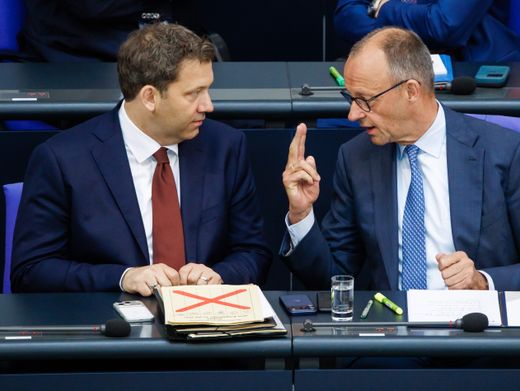
Lars Klingbeil’s Strategic Move: A Tax Reform to Win Over the Union
As Germany navigates through a crucial phase in the negotiations surrounding tax reform, the stakes are higher than ever. Finance Minister Lars Klingbeil is at the forefront, crafting two strategic packages aimed at persuading the Union. The complexity of these negotiations is heightened by the contentious issue of inheritance taxes, which could either bridge or widen the divide among political factions.
The Art of Compromise: Klingbeil’s Dual Packages
In his approach, Lars Klingbeil has ingeniously developed two distinct packages that cater to varying interests within the Union. The first package focuses on tax relief for middle-income families, aiming to alleviate financial burdens and garner support from the electorate. The second package addresses corporate taxation, proposing incentives for businesses that prioritize sustainable practices. This dual strategy not only showcases Klingbeil’s willingness to negotiate but also highlights his understanding of the Union’s diverse priorities.
Inheritance Tax: A Double-Edged Sword
The issue of inheritance tax stands as a pivotal point in the negotiations. Klingbeil’s proposal seeks to reform the current system, which many view as outdated and inequitable. By suggesting a more progressive tax structure, he aims to appeal to younger voters and those advocating for social equity. However, this move is fraught with risk; it could alienate traditionalists within the Union who view inheritance as a right. The challenge lies in balancing these contrasting perspectives while maintaining a unified front.
الخلاصة: As the negotiations unfold, Lars Klingbeil’s strategic maneuvering could redefine the landscape of tax reform in Germany. By addressing the nuanced concerns of the Union while pushing for progressive changes, he is not only attempting to secure a deal but also setting the stage for a broader conversation about fiscal responsibility and social equity. The outcome remains uncertain, but Klingbeil’s approach signals a willingness to innovate in the face of political complexity.