



Tensions Rise: Trump Urges Restraint Following Israeli Strikes in Lebanon

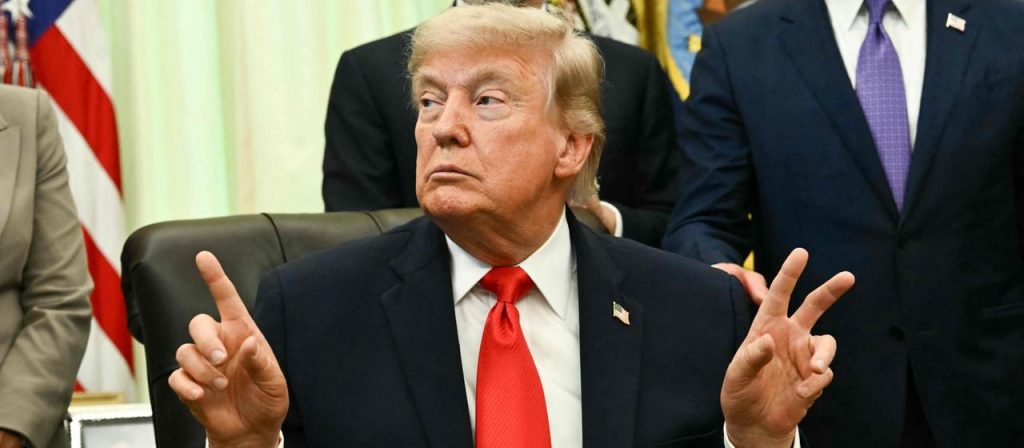
Tensions Rise: Trump Urges Restraint Following Israeli Strikes in Lebanon
The recent Israeli airstrikes on Lebanon have escalated tensions in an already volatile region, prompting US President Donald Trump to intervene. His condemnation of the attacks highlights the precarious balance of power and the fragile peace negotiations with Iran, which were anticipated to unfold imminently. This situation raises critical questions about the future of peace in the Middle East and the role of external powers in regional conflicts.
The Context of Conflict: Israel and Hezbollah
The backdrop of the Israeli strikes is rooted in ongoing hostilities with the Lebanese Hezbollah militia, which has been engaging in provocations against northern Israel. Trump’s statement reflects a broader concern about the cycle of violence that threatens to derail potential peace agreements. The airstrikes, which occurred in the suburbs of Beirut, were characterized by Trump as unnecessary, particularly given the absence of casualties. This incident underscores the delicate nature of military responses in a region where every action can have far-reaching implications.
Trump’s Call for Restraint: A Diplomatic Balancing Act
In his remarks, Trump emphasized the need for all parties to exercise restraint, framing the situation as a critical juncture for peace negotiations with Iran. His insistence on avoiding further Israeli attacks in Lebanon and discouraging retaliatory actions from Hezbollah signals an attempt to stabilize the situation. The timing of these remarks is crucial, as they coincide with a potential framework agreement between the US and Iran, which could redefine relationships in the region. However, the Iranian response, including threats from the Revolutionary Guard, complicates the diplomatic landscape, as Tehran has historically linked peace talks to the cessation of Israeli military actions.
الخلاصة: The situation in the Middle East remains precarious, with Trump’s intervention highlighting the complexities of international diplomacy in the face of regional conflicts. As peace negotiations with Iran hang in the balance, the actions of Israel and Hezbollah will continue to shape the narrative. The call for restraint is not merely a diplomatic gesture; it is a critical plea for stability in a region fraught with the potential for violence. The coming days will be pivotal in determining whether a path toward peace can be forged or if the cycle of conflict will persist.