



Repatriation Policies for Syrian Refugees: An Analysis of Germany’s Approach
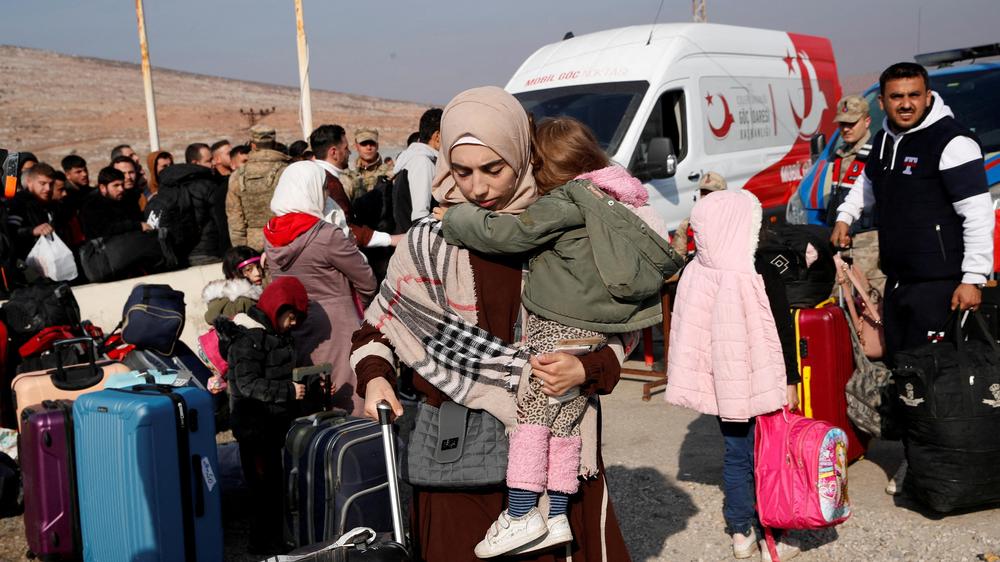
Recent developments indicate a significant shift in Germany's policy towards Syrian refugees, with over 1.6 million individuals returning to Syria since the onset of th...

Repatriation Policies for Syrian Refugees: An Analysis of Germany’s Approach
⏱ 4 min read
Executive Summary
Recent developments indicate a significant shift in Germany’s policy towards Syrian refugees, with over 1.6 million individuals returning to Syria since the onset of the civil conflict. The German government, led by Chancellor Friedrich Merz, is reassessing the legal grounds for refugee protection, suggesting that the end of the civil war may nullify the need for asylum. This briefing examines the implications of these policy changes, the political motivations behind them, and their potential impact on the Syrian refugee population in Germany.
Strategic Context
The Syrian civil war, which began in 2011, has resulted in one of the largest refugee crises in modern history, with millions fleeing to neighboring countries and Europe. Germany has been one of the primary destinations for Syrian refugees, providing asylum to a significant number of individuals escaping violence and persecution. However, as the conflict has evolved, the German government has begun to reconsider the status of these refugees, particularly in light of reports indicating a decrease in violence and a potential stabilization of the situation in Syria.
In March 2023, Chancellor Friedrich Merz met with Syrian transitional president Ahmed al-Scharaa to discuss the conditions for the return of Syrian refugees. This meeting underscores a broader political discourse in Germany regarding the repatriation of refugees, especially as the government faces pressure to address domestic concerns about integration and resource allocation. The discussions have raised questions about the legal framework governing refugee status and the criteria for determining when it is safe for refugees to return to their home country.
Deep Analysis
The German government’s approach to Syrian refugees reflects a complex interplay of humanitarian concerns and political strategy. The assertion that the end of the civil war may eliminate the grounds for asylum is a significant shift that could affect thousands of individuals. The Federal Office for Migration and Refugees (BAMF) has indicated that the review of refugee status will only occur under specific conditions, such as substantial and lasting changes in the home country. This cautious approach suggests an attempt to balance the need for humanitarian protection with domestic political pressures to reduce the number of asylum seekers.
Critics of the government’s stance argue that the situation in Syria remains precarious, with ongoing human rights abuses and instability. The call for an 80% return rate, although later denied, highlights the tensions within the coalition government, particularly between the Christian Democratic Union (CDU) and the Social Democratic Party (SPD). The SPD’s criticism of rapid repatriation efforts reflects a broader concern about the safety and dignity of returning refugees, emphasizing the need for a thorough assessment of conditions in Syria before any mass repatriation can be considered.
Furthermore, the political motivations behind these policies cannot be overlooked. As Germany grapples with rising anti-immigrant sentiment and calls for stricter immigration controls, the government may be seeking to project an image of responsibility and control over migration flows. This strategy, however, risks undermining the rights of refugees and may lead to increased vulnerability for those who are forced to return to an unstable environment. The potential for legal challenges and public backlash against perceived inhumane treatment of refugees is also a significant consideration for policymakers.
Impact on Migrants
The proposed changes to the legal framework governing Syrian refugees in Germany could have profound implications for their status and well-being. With the government signaling a shift towards more stringent assessments of refugee protection, many individuals may face uncertainty regarding their future. The current practice of reviewing asylum status only in specific circumstances raises concerns about the fairness and transparency of the process, potentially leaving refugees vulnerable to arbitrary decisions that could jeopardize their safety.
Moreover, the discourse surrounding repatriation may foster an environment of fear among the Syrian refugee community in Germany. The suggestion that the protection grounds may be lifted could discourage individuals from seeking necessary legal assistance or reporting issues related to their asylum status. This atmosphere of uncertainty may hinder integration efforts, as refugees may feel compelled to conceal their status or avoid engaging with local services, ultimately impacting their ability to rebuild their lives in Germany.
Outlook & Conclusion
Looking ahead, the future of Syrian refugees in Germany will largely depend on the government’s ability to balance political pressures with humanitarian obligations. As discussions continue regarding the conditions for repatriation, it is crucial for policymakers to prioritize the safety and rights of refugees. A comprehensive and compassionate approach that considers the realities on the ground in Syria, alongside the needs of the refugee population in Germany, will be essential in shaping a sustainable and just migration policy.
Anchor Source: zeit.de | Analyzed by AboMatrix AI Engine