



التحديات الأمنية العالمية تبرز ضرورة حماية برلين من التهديدات المتزايدة.

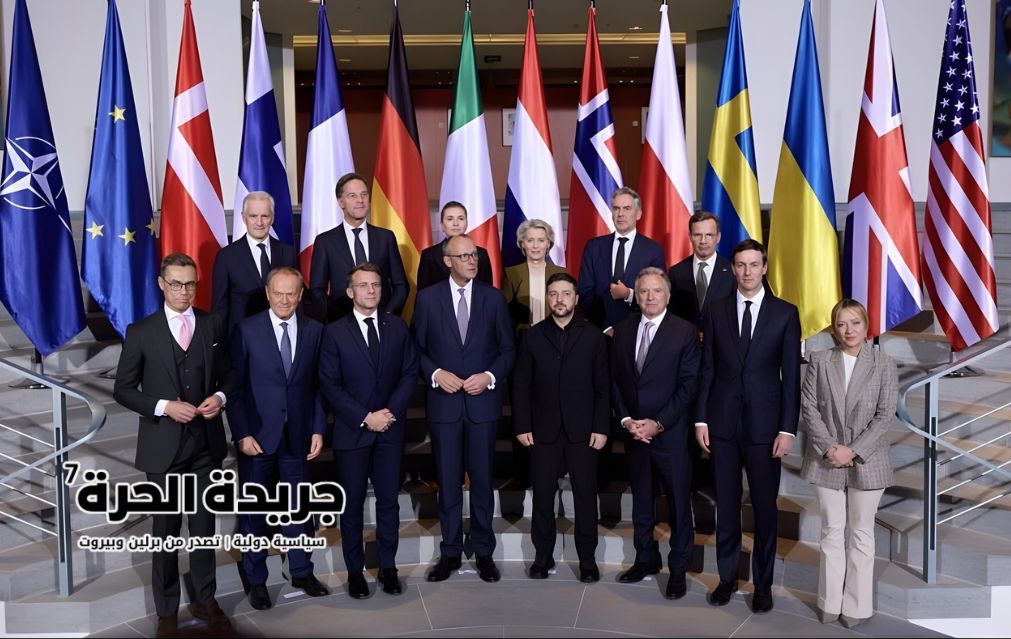
التحديات الأمنية العالمية تبرز ضرورة حماية برلين من التهديدات المتزايدة.
[ ???? العقيدة الأمنية الدولية | Source: CTC | التأثير على ألمانيا: حرجة ]
The Global Threat
The recent evolution of jihadist tactics within the Sahel region presents a formidable challenge to global security. Analysts emphasize that the confluence of violent non-state actors leveraging advanced technologies, including artificial intelligence, has created a new paradigm in warfare. Notably, the use of drone technology and social media for propaganda and recruitment further enhances the operational capabilities of these groups. The Islamic State’s meticulous strategies in orchestrating large-scale attacks are increasingly emerging as sophisticated blueprints for affiliate gangs around the globe. The unprecedented mass casualty event conducted by Islamic State supporters in December 2025 epitomizes this shift, revealing not only the boldness of the group but also its preparedness to exploit gaps in both local and international intelligence frameworks. Such attacks threaten to destabilize entire regions, resulting in an uptick in refugee flows and cross-border spillover of violence, reinforcing the need for adaptive counter-terrorism measures.
German Implication
Given the escalating threats posed by advanced terrorism tactics, Germany stands at a crucial intersection of urgent security needs and legal frameworks governing public safety. The evolving profile of potential perpetrators, including foreign fighters returning from conflict zones, necessitates immediate actionable intelligence that could preempt future attacks. The Federal Office for the Protection of the Constitution (BfV) must recalibrate its surveillance mechanisms to account for the technological sophistication of these evolving threats. This necessitates not only an immediate assessment of existing intelligence-sharing protocols with international partners but also an integrated approach to harnessing technological innovations for preemptive risk assessment and monitoring. The prospect of asymmetric warfare presents unique implications for German urban centers, where crowded public spaces represent high-value targets for a resurgent ISIS and its affiliates, potentially leading to catastrophic mass casualties and widespread public panic.
Doctrine Directives
- ⚔️ Implement strict surveillance measures leveraging cutting-edge technologies to monitor potential jihadist activities within urban spaces.
- ⚔️ Enhance international cooperative frameworks to ensure intelligence-sharing is prompt and efficient among European partners and transatlantic allies.
- ⚔️ Mandate periodic assessments of counter-terrorism directives to align responses with the swift evolution of terrorist methodologies.
The Blind Spot
This analysis largely overlooks the implications of integrating new counter-terrorism technologies within the confines of the German Constitution. According to German constitutional law, the balance between public safety and civil liberties is a well-established norm that thereby necessitates a cautious and deeply considered approach to the application of advanced surveillance technologies. Additionally, the lack of thorough discussion surrounding privacy rights in relation to increased monitoring could lead to social friction and disillusionment among marginalized communities. Moreover, the potential for misuse of biometrical data or profiling poses a constitutional challenge, fundamentally questioning the limits of the state’s mandate to protect its citizens while safeguarding individual rights. The discussions must address the potential fallout that increased domestic surveillance may have on the notion of democratic freedoms that Germany prides itself on.
???? الرادار الدولي: CTC | ???? الإسقاط الاستراتيجي: وحدة عقيدة AboMatrix