



BSW-AfD Collaboration Sparks Party Chaos and Member Resignations

BSW-AfD Collaboration Sparks Party Chaos and Member Resignations
BSW-AfD Collaboration Sparks Party Chaos and Member Resignations
🔹 Official Context & Stated Position:
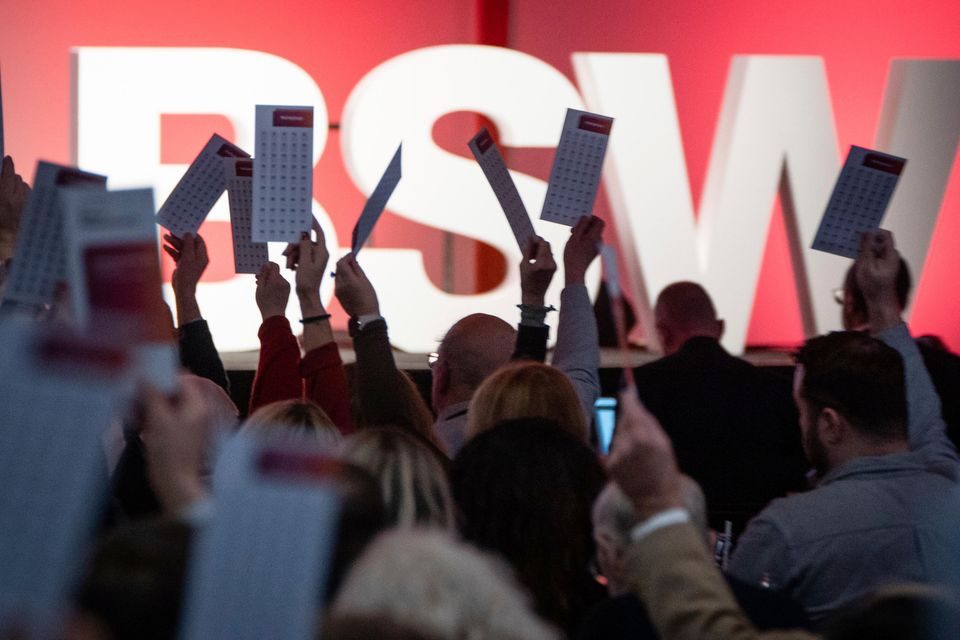
At the BSW federal party convention, a motion aiming for stricter distancing from the AfD failed to gain majority support. Subsequently, numerous members, including co-founder Klaus Ernst, resigned from the party. The AfD labeled the movement ‘mausetot,’ while criticisms from the Green Party emphasized BSW’s alleged departure from democratic principles.
🔍 In-Depth Analytical Assessment:
The decision by the BSW party to entertain collaboration with the far-right AfD marks a significant departure from traditional German political dynamics. Historically, mainstream German political parties, including those on the conservative spectrum, have upheld a ‘Brandmauer’ (firewall) policy against cooperating with groups classified as extremist. This principle has aimed at preserving democratic integrity while avoiding the normalization of ideologies that challenge pluralist values embedded within the German Constitution (Grundgesetz). The fallout from the BSW’s federal party convention reveals stark intra-party divisions and raises questions about the future resilience of smaller movements that attempt to ally with far-right factions. Klaus Ernst’s resignation, alongside those of other members, indicates a potential fracturing of BSW’s organizational cohesion, possibly diminishing its political effectiveness at regional or national levels. From a broader societal viewpoint, this aligns with growing polarization across Germany’s political landscape. The reaction from the AfD, dismissing BSW as ‘mausetot,’ reflects skepticism even from far-right circles about the practicality of such alliances, perhaps signaling limited enthusiasm for mergers but aiming to exploit the disarray for their narrative of mainstream collapse. Public criticism from the Greens underscores institutional resistance to far-right normalization and may contribute to solidifying counter-extremist perceptions among centrist voters. Ultimately, these developments showcase the precarious path of ideological collaborations, where gains for one segment of the spectrum may unravel broader movements on either side.
⚖️ Socio-Political & Institutional Impact:
- ▪ {‘winner’: “AfD, gaining narrative advantage due to BSW’s internal chaos.”}
- ▪ {‘loser’: ‘BSW, struggling with member resignations and diminished party cohesion.’}
- ▪ {‘neutral impact’: ‘Mainstream centrist parties, maintaining their firewall stance but taking no direct losses.’}