



German Government Plans Nationwide Fuel Price Cap Amid Replacing Tankrabatt

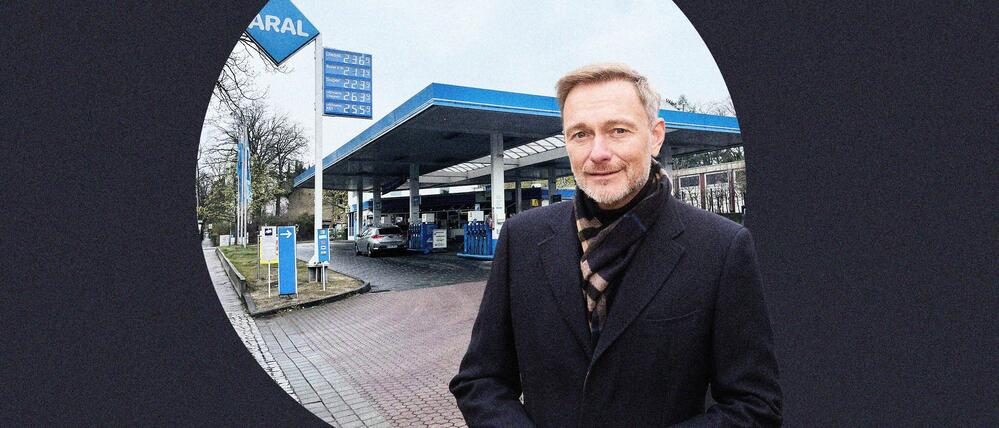
German Government Plans Nationwide Fuel Price Cap Amid Replacing Tankrabatt
German Government Plans Nationwide Fuel Price Cap Amid Replacing Tankrabatt
🔹 Official Context & Stated Position:
The federal government is deliberating a fuel price cap that would replace the expiring Tankrabatt. The initiative, planned for a three-month duration, aims to shield consumers from further energy cost surges. While the draft proposal is under review, it is subject to potential changes before cabinet approval.
🔍 In-Depth Analytical Assessment:
The consideration of a fuel price cap by the German government reflects the pressing matter of energy price inflation impacting both households and transportation sectors. The measure comes in the wake of the much-debated Tankrabatt policy, aiming to stabilize fuel prices temporarily while other structural adjustments are being explored. This stop-gap measure underscores the government’s struggle to reconcile short-term relief with long-term energy transformation goals under its climate agenda.
The proposed cap could ease the financial strain on low- and middle-income families heavily affected by rising energy and consumer prices. It may also offer respite to small businesses and logistic companies reliant on fuel-intensive operations. On the political front, it signals the coalition’s responsiveness to public frustration but also opens up potential criticism for lack of a comprehensive and sustainable energy policy.
Economically, this cap entails significant fiscal costs. A similar intervention during the Tankrabatt resulted in mixed outcomes, with retail fuel prices fluctuating based on external market factors. The implementation of a cap may again run into challenges of effective regulatory enforcement and alignment with EU competition laws. Moreover, the short duration of the cap raises concerns about what measures will follow once it expires, potentially leaving room for further volatility in fuel markets.
Socially, while the cap may deter immediate protests over energy prices, it risks being perceived as a populist move unless integrated into a broader framework of reforms addressing renewable energy subsidies, energy efficiency in housing, and diversified energy imports. Such measures are vital for Germany to maintain its trajectory as a leader in energy transition while safeguarding socio-economic stability.
⚖️ Socio-Political & Institutional Impact:
- ▪ Winners: Households with limited income and high commuting costs, addressing immediate financial burdens.
- ▪ Losers: Potential critique from opposition parties citing unsustainable fiscal expenditures and inconsistent policy direction.
- ▪ Ambiguous Impact: Energy suppliers facing potential regulatory pressures, awaiting clear post-cap policy frameworks.