



Bundestag Cybersecurity Concerns: Stricter Regulations Proposed for MPs’ Electronic Devices

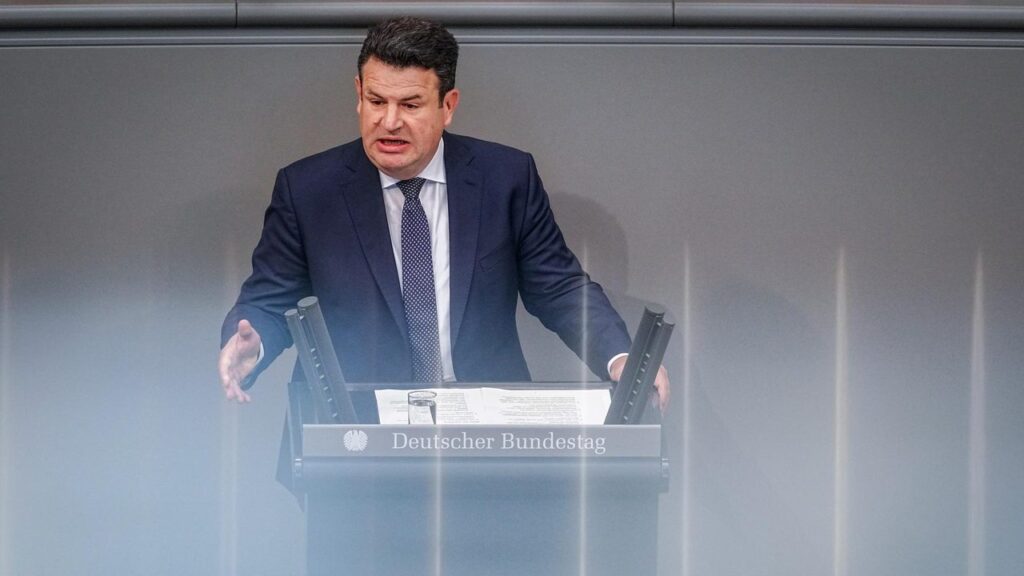
Bundestag Cybersecurity Concerns: Stricter Regulations Proposed for MPs’ Electronic Devices
Bundestag Cybersecurity Concerns: Stricter Regulations Proposed for MPs’ Electronic Devices
🔹 Official Context & Stated Position:
Bundestag Vice President Andrea Lindholz has suggested stricter regulations for MPs’ devices to counter persistent cyberattacks. The parliament has faced recurrent hacking attempts, raising concerns about data protection and national security.
🔍 In-Depth Analytical Assessment:
Cybersecurity risks in the Bundestag have been a persistent issue, with institutions repeatedly targeted by hacking attempts, often attributed to foreign state actors. Andrea Lindholz’s call for stricter regulations highlights growing awareness of the digital vulnerabilities in Germany’s legislative framework. These challenges come at a critical time as reliance on digital infrastructure has grown.
Stricter controls, potentially including mandatory security software, encryption norms, and regular device audits, could alter how MPs conduct their work. Such measures, while protective of national security, also bring legal and logistical challenges. Any legislation addressing cybersecurity must balance privacy concerns enshrined in the German Basic Law (Grundgesetz) with the need for robust institutional protections. Furthermore, the implementation of technical safeguards must avoid hindering the MPs’ efficiency.
Germany’s position in the European Union also warrants establishing stricter protocols, as state-sponsored cyberattacks can have broader implications on the collective security framework of Europe. Enhanced security measures within Bundestag may set a precedent for other parliaments across the EU, raising standards for cybersecurity in democratic institutions. However, this must dovetail with EU-wide legislation to ensure consistency and synergy.
The financial ramifications are also significant, as tight public budgets must now allocate resources to defend against modern threats. Public perception could also shift, with citizens demanding greater transparency about the scope and origin of these attacks. If the Bundestag can implement effective protections promptly, it could strengthen public confidence in its operations.
⚖️ Socio-Political & Institutional Impact:
- ▪ Winners: Companies specializing in cybersecurity solutions gain opportunities through government contracts and partnerships.
- ▪ Losers: MPs may face operational challenges due to increased scrutiny and restricted usage of electronic devices.
- ▪ Public Institutions: Enhanced security measures bolster system integrity but increase operational costs.