



Impact of Bundestag Budget Debate and Record Debt in Germany

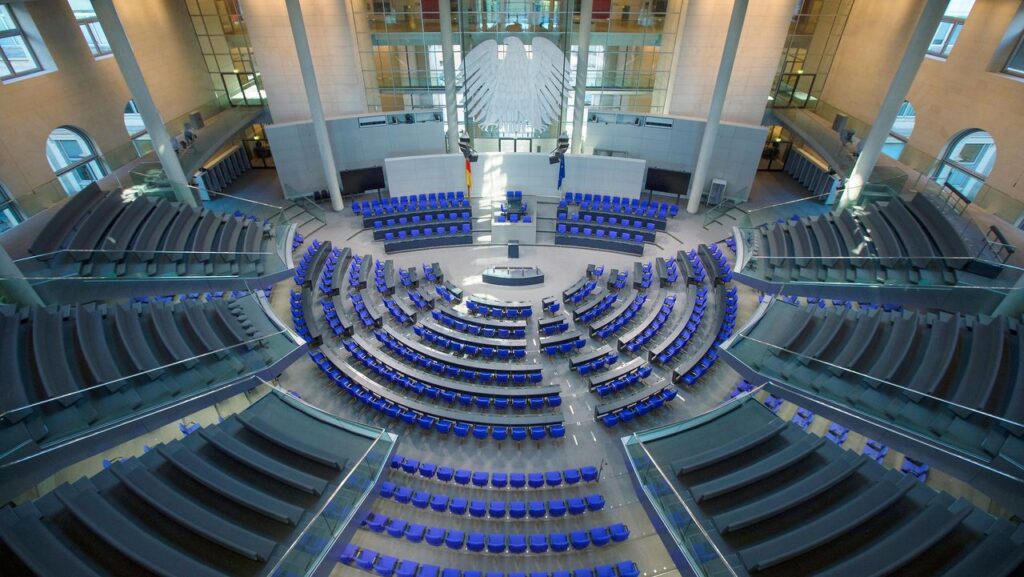
Impact of Bundestag Budget Debate and Record Debt in Germany
Impact of Bundestag Budget Debate and Record Debt in Germany
🔹 Official Context & Stated Position:
Chancellor Merz publicly acknowledged that the proposed budget is controversial but defends it as necessary in the current circumstances. Opposition leader Chrupalla (AfD) criticized the plan, calling it excessive and unsustainable. Meanwhile, debates within the Bundestag focus on new debts, resource allocations, and challenges of balancing fiscal restraint.
🔍 In-Depth Analytical Assessment:
The debate over Germany’s proposed budget reveals deep economic and political divisions within the Bundestag. Chancellor Merz’s acknowledgment that this budget ‘deserves no beauty prize’ reflects a pragmatic approach aimed at managing soaring costs related to economic recovery, energy transition, and support for Ukraine. However, the opposition accuses the government of plunging the country into a ‘debt orgy,’ raising concerns about long-term fiscal sustainability.
The discourse at hand also highlights Germany’s struggles with aligning its financial priorities amid competing demands from various sectors. For instance, the funding required to address climate change, digital transformation, military modernization, and social infrastructure overlaps with growing discontent over public service inefficiencies, such as delays in accessing healthcare specialists and insufficient childcare facilities. This poses broader questions about whether current fiscal strategies can adequately meet the needs of Germany’s diverse demographic landscape without widening socio-economic gaps.
Externally, Germany’s fiscal approach carries significance within the EU context. With mounting collective plans to support Ukraine and ambitious green policy frameworks, Germany risks weakening its economic leverage if debt levels compromise its capacity for joint European initiatives. Domestically, the opposition’s focus might amplify citizen dissatisfaction, particularly among low-income groups who face direct effects of tightened public spending, thereby risking political fragmentation ahead of upcoming elections. The budget debate encapsulates broader concerns about Germany’s economic resilience in an era defined by global uncertainties ranging from geopolitical tensions to energy crises.
⚖️ Socio-Political & Institutional Impact:
- ▪ Winners: Middle-class families benefiting from proposed tax relief programs in the budget.
- ▪ Losers: Government credibility weakened by consistent accusations of unsustainable debt escalation.
- ▪ Neutral: Large corporations, awaiting confirmation of infrastructure subsidies promised by the government.