



Drinking water contamination and WWII bomb in Nuremberg dominate emergency updates

Drinking water contamination and WWII bomb in Nuremberg dominate emergency updates
📍 Field Operations & On-the-Ground Situation
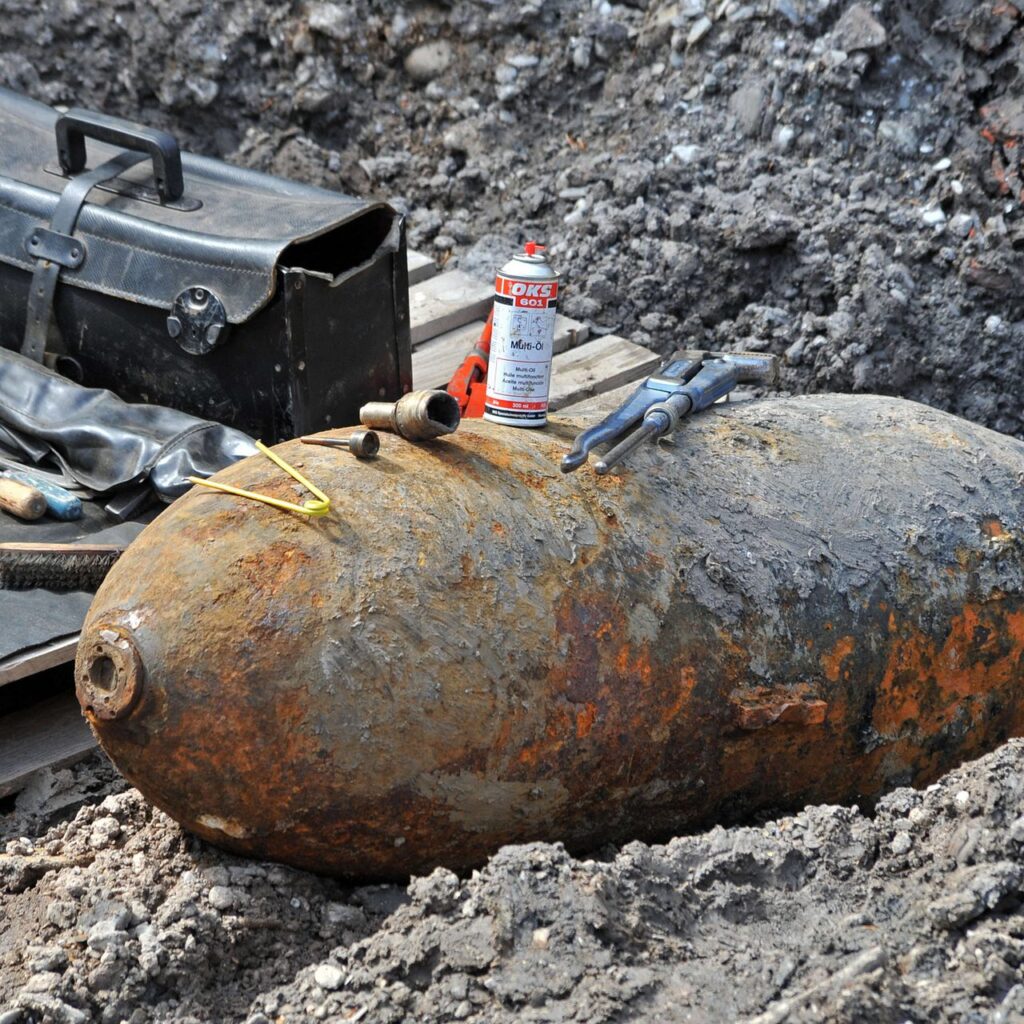
Germany is currently facing multiple emergencies, including drinking water contamination in areas such as Rettenbach, Roßtal, and Roding, with some cases classified as severe. In Nuremberg, a WWII bomb was discovered in Lichtenreuth, prompting extensive safety measures. Traffic accidents in Reutlingen and Zell caused injuries and disruptions. In Poppendorf, a major fire broke out at a fertilizer plant, requiring large-scale intervention by fire brigades and police. The THW is actively securing critical infrastructure following bridge fires and power outages in Reutlingen.
🏢 Critical Infrastructure & Public Utilities Status
Public infrastructure has been affected in several regions. Drinking water contamination has led to usage restrictions. A power outage in Reutlingen caused widespread disruptions, while smoke from the Poppendorf fire is impacting air quality in surrounding areas.
👥 Public Impact & Civil Safety Measures
Drinking water contamination directly affects residents in impacted areas, requiring them to boil water before use. In Nuremberg, a safety cordon was established around the bomb site, and evacuations were carried out. Traffic accidents caused delays, while the Poppendorf fire raised concerns among local residents.
📋 Official Directives & Emergency Guidelines
Authorities recommend residents in affected areas boil drinking water before use. In Nuremberg, a safety perimeter has been established, and residents are advised to avoid the area. In Poppendorf, people are urged to stay clear of the fire site and avoid smoke-affected zones.
🔍 Official Agencies & Monitoring Feeds: Referenced authorities and monitoring systems include BBK/MoWaS, DWD, Federal Police, THW, and local fire brigades.