



NATO Summit in Berlin: Security Guarantees for Ukraine Amid Escalating Tensions

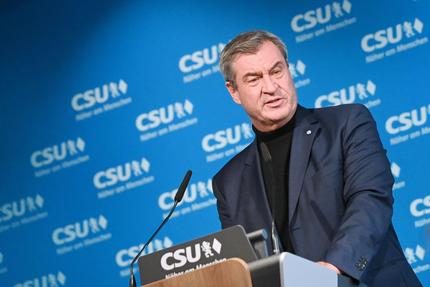
NATO Summit in Berlin: Security Guarantees for Ukraine Amid Escalating Tensions
NATO Summit in Berlin: Security Guarantees for Ukraine Amid Escalating Tensions
🔹 Official Context & Stated Position:
At the NATO Summit in Berlin, leaders, including Friedrich Merz (CDU) and Mark Rutte (Netherlands PM), reaffirmed their security commitments to Ukraine in light of escalating geopolitical challenges. Official statements emphasized solidarity within NATO and support for Ukraine’s sovereignty.
🔍 In-Depth Analytical Assessment:
The NATO Summit in Berlin underscored Germany’s central role in European security architecture amidst ongoing Russian aggression against Ukraine. Key discussions revolved around logistical adjustments for German troop deployments to Lithuania, a move aimed at demonstrating strategic flexibility while circumventing potential vulnerabilities linked to traditional convoy movements. This adjustment highlights Germany’s commitment to NATO’s deterrence strategy and its responsiveness to evolving military needs, such as facilitating rapid and concealed troop mobility. Moreover, Berlin’s hosting of the summit symbolizes its commitment to maintaining NATO unity despite internal debates over military spending and pacifist inclinations within certain segments of the German populace. Politically, Chancellor Olaf Scholz’s coalition faces renewed challenges in convincing voters about the necessity of sustained defense spending against rising domestic socioeconomic demands. Economically, the potential requirement for defense procurement and operational logistics could indirectly strain the federal budget—issues already controversial within Germany’s parliamentary debates on the 2027 budget. Additionally, public opinion remains divided, with a faction advocating prioritization of internal economic stability over expanding German military engagements abroad. Socially, these developments bring attention to broader European concerns about escalating militarization risks and the role of Germany as a stabilizing force in NATO endeavors.
⚖️ Socio-Political & Institutional Impact:
- ▪ WINNERS: NATO cohesion and German defense contractors benefiting from expanded logistical adjustments.
- ▪ LOSERS: German taxpayers facing potential budget reallocations towards defense expenditures.
- ▪ UNDECIDED: Opposition parties, balancing military criticism with electoral strategy.