



Boris Pistorius Proposes Building Stronger NATO Ties with Poland amid Nationalism Concerns

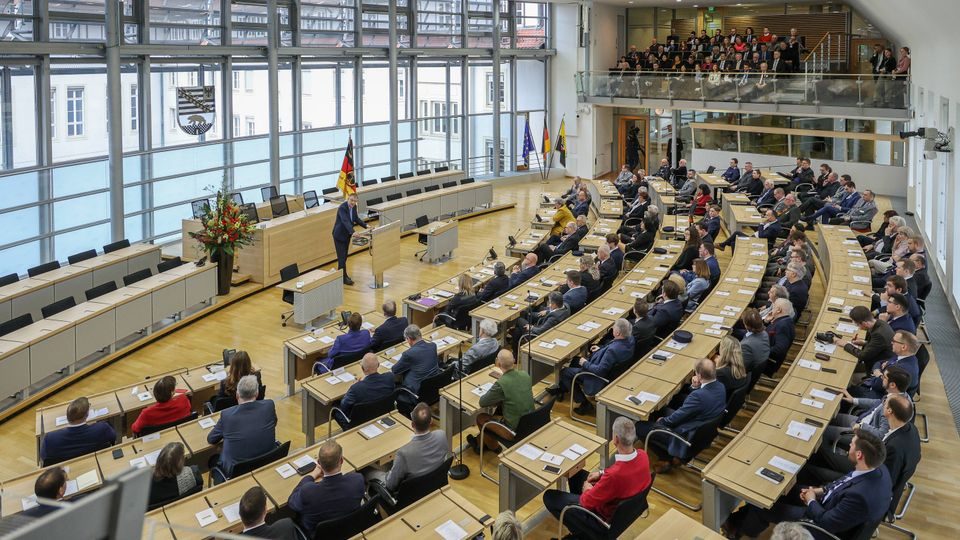
Boris Pistorius Proposes Building Stronger NATO Ties with Poland amid Nationalism Concerns
Boris Pistorius Proposes Building Stronger NATO Ties with Poland amid Nationalism Concerns
🔹 Official Context & Stated Position:
German Defense Minister Boris Pistorius has signaled his openness to strengthening NATO’s eastern flank by proposing enhanced military collaboration with Poland. He stressed the importance of reinforcing German-Polish defense ties as a counterweight to rising nationalist tendencies in Europe. Official statements underline the urgency of deterring potential security challenges in the region.
🔍 In-Depth Analytical Assessment:
The proposal for reinforcing cooperation between Germany and Poland on NATO defense matters comes at a time when Europe is facing heightened geopolitical tensions, ranging from concerns about Russian expansionism to internal political divisions within the EU itself. Germany, as Europe’s largest economy and a central NATO member, plays a pivotal role in stabilizing alliances for collective security. Pistorius’ approach reflects broader German defense policy priorities aimed at balancing regional security concerns with the necessity of preventing nationalist destabilization, especially within eastern EU borders.
Domestically, this recalibrated focus on defense partnership with Poland could mark a step towards countering criticism of Germany’s perceived inertia in military readiness and alliances, especially following debates over military funding and procurement delays in the Bundeswehr. Simultaneously, Poland’s trajectory towards nationalism, widely debated within European circles, presents a strategic dilemma for Germany. This partnership will need to navigate Poland’s complex political landscape while maintaining Germany’s commitment to liberal democratic values.
From an economic perspective, enhanced German-Polish defense ties may lead to greater procurement collaborations, potentially benefiting the European defense industry. However, as Germany seeks to strengthen security against external threats, caution must be exercised to avoid inadvertently reinforcing nationalist rhetoric within its neighboring states. The proposal thus highlights Germany’s dual challenge of ensuring regional security and promoting democratic governance within NATO allies.
⚖️ Socio-Political & Institutional Impact:
- ▪ Winners: German defense industry, as increased collaboration may lead to contracts in technology transfer and modernization programs.
- ▪ Winners: NATO strategy in Eastern Europe, with improved readiness and deterrence against external threats.
- ▪ Losers: Domestic critics in Poland opposed to closer NATO ties with Germany, who may frame this as external interference.