



Naturalization Ceremony in NRW Parliament: ‘Germany Is Also Our Homeland’

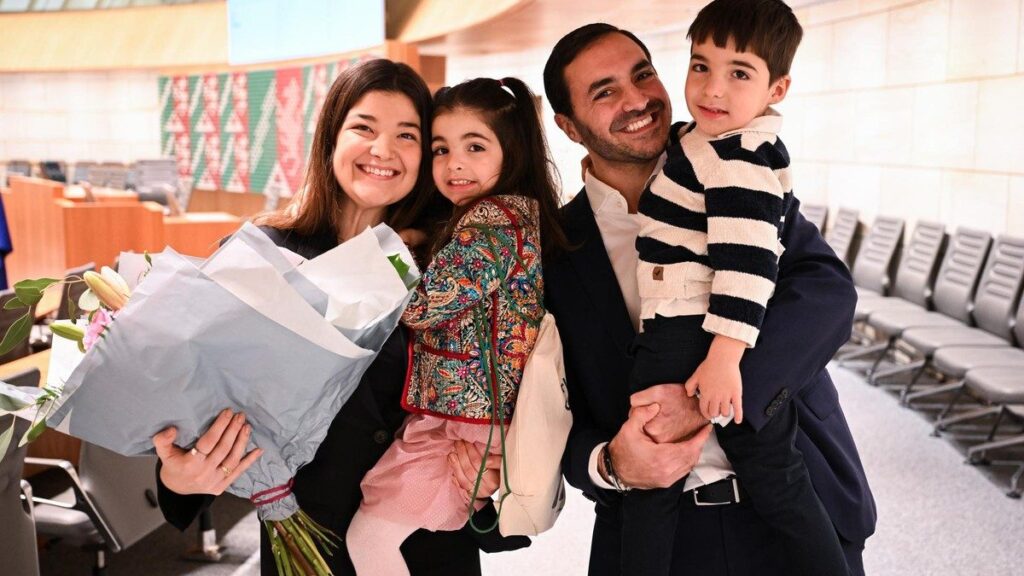
Naturalization Ceremony in NRW Parliament: ‘Germany Is Also Our Homeland’
⏱ 3 min read
Executive Summary
A naturalization ceremony held in the North Rhine-Westphalia (NRW) state parliament highlighted the integration and belonging of migrants in Germany. The event underscored the importance of citizenship as a step towards full societal inclusion, with participants expressing their connection to Germany as their homeland. This reflects broader efforts to promote integration and social cohesion within the country.
Strategic Context
The NRW state parliament hosted a naturalization ceremony where individuals officially became German citizens. The event was marked by speeches emphasizing the significance of citizenship as a bridge to deeper societal integration. Participants shared personal stories, expressing their gratitude and sense of belonging to Germany. This ceremony aligns with Germany’s broader legal framework and policies aimed at facilitating naturalization for long-term residents who meet specific criteria under the Aufenthaltsgesetz (Residence Act).
The ceremony comes at a time when Germany is actively reforming its citizenship laws to make naturalization more accessible. These reforms aim to address demographic challenges and labor market shortages by encouraging qualified migrants to settle permanently and contribute to the economy. The NRW event serves as a symbolic representation of these legislative and social efforts.
Deep Analysis
The naturalization ceremony in NRW has sparked discussions among politicians and the public regarding the role of citizenship in integration. Proponents argue that granting citizenship fosters a sense of belonging and encourages active participation in society. Political parties such as the SPD and Grüne have emphasized the need for inclusive policies that reflect Germany’s multicultural reality. They view naturalization as a tool to strengthen social cohesion and counteract discrimination.
However, critics, including some members of the CDU and AfD, have raised concerns about the potential for abuse of relaxed naturalization laws. They argue that citizenship should be granted only to those who fully embrace German values and demonstrate long-term commitment to integration. This debate highlights the ideological divide in Germany’s approach to migration and integration policies.
Public reactions have been mixed, with many celebrating the inclusivity of the ceremony while others express skepticism about the broader implications of relaxed citizenship criteria. The event has reignited discussions about the balance between maintaining national identity and embracing diversity in a rapidly changing demographic landscape.
Impact on Migrants
For migrants, the naturalization ceremony represents a milestone in their journey towards full societal inclusion. Citizenship provides legal security, access to broader rights, and the ability to participate in democratic processes. It also serves as a recognition of their contributions to German society, fostering a sense of belonging and identity.
However, the ongoing debates about citizenship laws and integration policies can create uncertainty for migrants. While many view the reforms as a positive step, others worry about potential stigmatization or heightened scrutiny in the naturalization process. The ceremony in NRW highlights the dual reality faced by migrants: celebration of their achievements alongside the challenges of navigating complex socio-political dynamics.
Outlook & Conclusion
The naturalization ceremony in NRW reflects Germany’s evolving approach to integration and citizenship. As the country continues to reform its laws to address demographic and economic challenges, the focus must remain on fostering social cohesion and ensuring that migrants feel welcomed and valued. Future policies should aim to balance inclusivity with the need for integration, creating a framework that benefits both migrants and the broader society.
Primary Source: Google News Migration DE