



Ensuring Skill-Based Labor Market Integration for Third-Country Nationals in Germany

Ensuring Skill-Based Labor Market Integration for Third-Country Nationals in Germany
⏱ 3 min read
Executive Summary
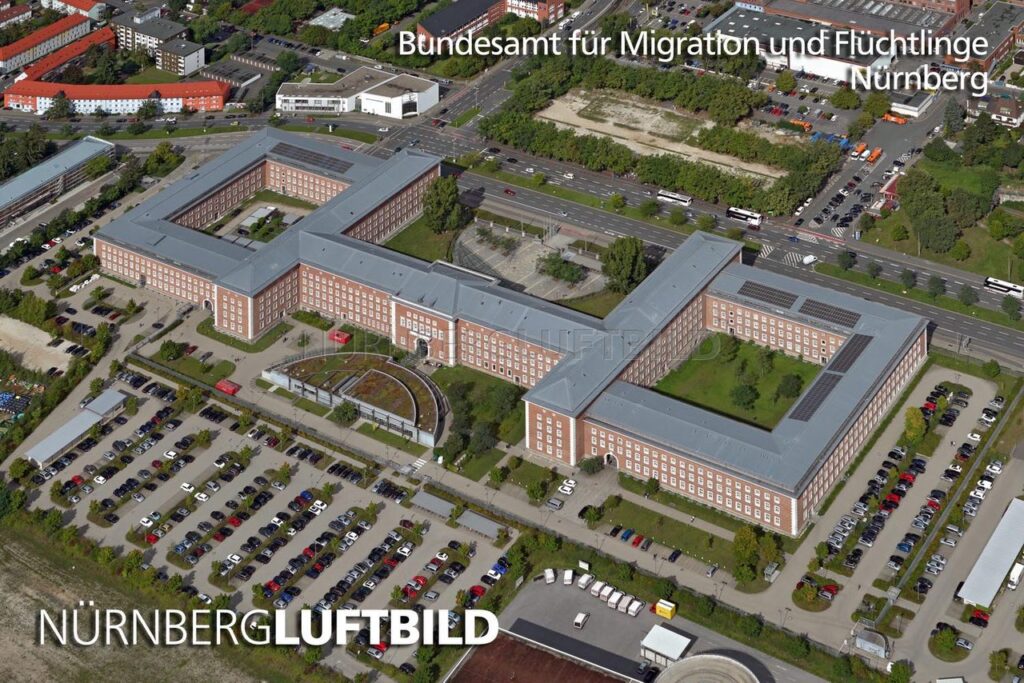
The EMN Deutschland paper, published by BAMF (Bundesamt für Migration und Flüchtlinge), focuses on the integration of third-country nationals into Germany’s labor market in alignment with their qualifications. It examines existing policies, challenges, and opportunities to enhance the employment prospects of migrants while addressing skill shortages in the German economy. The study emphasizes the importance of matching migrants’ professional qualifications with labor market demands, ensuring both individual success and economic growth.
Strategic Context
Deep Analysis
Germany faces a significant labor shortage, particularly in sectors like healthcare, engineering, IT, and skilled trades. With an aging population and declining birth rates, the country relies on migrants to fill these gaps and sustain economic growth. By focusing on skill-based integration, Germany ensures that migrants can contribute effectively to the workforce while addressing critical shortages.
This policy also aligns with Germany’s broader migration strategy, which emphasizes attracting qualified professionals through initiatives like the Chancenkarte (Opportunity Card) under the Skilled Immigration Act (Fachkräfteeinwanderungsgesetz). By streamlining qualification recognition and providing targeted support, Germany aims to remain competitive in the global race for talent while fostering social cohesion through successful integration.
Impact on Migrants
For migrants, these policies offer a clear pathway to employment in Germany. Recognizing foreign qualifications means that professionals such as doctors, engineers, and IT specialists can work in their fields without unnecessary barriers. Language training and integration programs further support migrants in adapting to the German workplace culture and society.
However, challenges remain. Migrants may face bureaucratic hurdles in the recognition process or struggle with language requirements. Additionally, some qualifications may not fully align with German standards, requiring further training or certification. Despite these obstacles, the policy provides a structured framework for migrants to achieve economic stability and personal growth in Germany.
Outlook & Conclusion
Germany’s focus on skill-based labor market integration for third-country nationals is a forward-looking strategy to address labor shortages and enhance economic productivity. As the country continues to refine its migration policies, the emphasis on qualification recognition and targeted support will play a crucial role in fostering successful integration and mutual benefits for migrants and the German economy.
Primary Source: Google News Migration DE