



Human Dignity and Revisiting Ideas: Towards Constructive and Responsible Dialogue

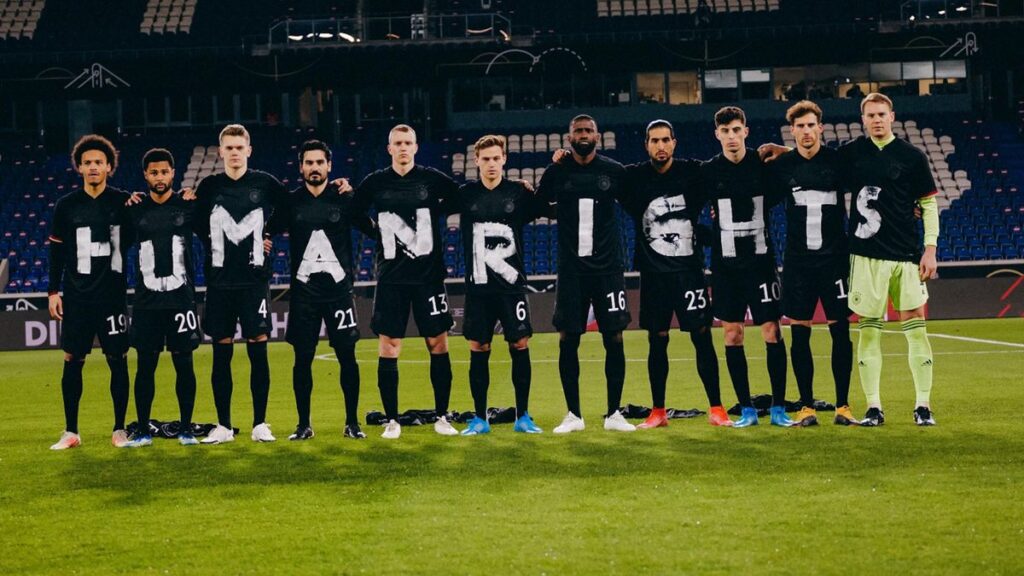
Human Dignity and Revisiting Ideas: Towards Constructive and Responsible Dialogue
On the other hand, human ideas and practices, whether religious, philosophical, or social, are always subject to critique and revision. This separation between the inviolable dignity of human beings and the fallibility of ideas ensures the continuity of constructive societal dialogue. But how can this balance be achieved in the face of growing ideological and religious tensions?
Firstly, it is crucial to recognize that constructive criticism of ideas does not equate to violating human dignity or disrespecting their integrity. Criticism is a rational process aimed at improving understanding and correcting course, not a tool for insult or exclusion. When criticism is directed at an idea or practice, it should be supported by evidence and logic, free from generalizations or preconceived judgments.
Secondly, societal dialogue must be characterized by fairness and balance. This means allowing all parties to express their opinions without fear of discrimination or punishment. In this context, educational institutions and media can play a central role in promoting a culture of dialogue and respect for intellectual diversity.
Thirdly, it should be acknowledged that ideas and practices are not static but are products of specific historical and social circumstances. This understanding opens the door for development and change, encouraging ideological and religious movements to revisit their concepts in line with contemporary values and requirements. For example, European societies have undergone significant transformations in their understanding of issues such as women’s rights and racial equality, thanks to constructive criticism and societal dialogue.
Fourthly, there should be a legal and ethical framework that protects freedom of expression and criticism without allowing incitement or offense. In Germany, freedom of expression is a constitutional right, but it comes with the responsibility not to infringe on the rights of others or incite hatred. This legal balance can serve as a model for other societies.
Fifthly, awareness should be raised that ideological and religious differences are not a threat but an opportunity for learning and growth. When differences are approached with respect and understanding, they can become a source of cultural and social enrichment.
In conclusion, separating human dignity from ideas and practices is an ethical and legal necessity for constructive societal dialogue. This separation allows us to critique and correct ideas without diminishing the value of human beings or threatening their psychological and social well-being. By fostering a culture of dialogue and respecting diversity, we can build a more just and humane society where human dignity is regarded as an unassailable foundation and ideas serve as spaces for discussion and development.