



Federal Budget Cuts Impact Kita Start Chance Law Implementation in Germany

Federal Budget Cuts Impact Kita Start Chance Law Implementation in Germany
Federal Budget Cuts Impact Kita Start Chance Law Implementation in Germany
🔹 Official Context & Stated Position:
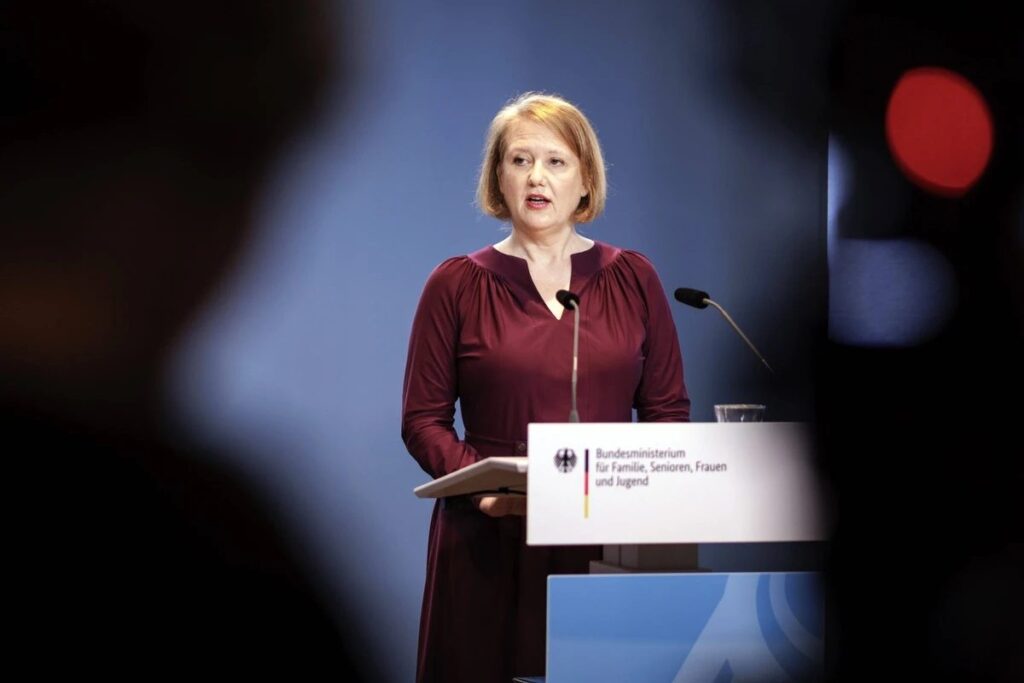
The Bundestag approved the scaled-back Kita-Startchancen law intended to allocate resources for kindergartens. However, the final version significantly limits personnel resources, leaving only half of a designated staff position per Kita, despite earlier broader ambitions. Federal budget constraints were cited as the reason for these cutbacks.
🔍 In-Depth Analytical Assessment:
The modification of the Kita Startchancen law to sharply limit staffing and resources reflects broader issues with Germany’s budgetary policy and public investment strategy. This move exposes structural deficits in Germany’s long-term focus on childcare and family welfare systems. While the original plan aimed at providing adequate means to enhance childcare infrastructure and equity in early education, financial restrictions imposed by the federal budgetary framework forced a significant dilution of the program’s effectiveness. This decision could exacerbate the inequality in childcare accessibility, particularly for socio-economically disadvantaged families, where high-quality early education could have played a crucial role in promoting equal opportunities.
Moreover, the reduction in allotted resources can strain the already overstretched childcare personnel, potentially leading to concerns of burnout and substandard education quality due to overworking staff. Evidence from similar underfunded public sector reforms reveals that limited staffing directly affects the implementation of programs, with consequences for both short-term satisfaction and long-term outcomes among stakeholders.
Notably, the scaled-back initiative might disproportionately impact women – who are statistically more reliant on accessible childcare services due to their traditionally larger role in child-rearing. This could, in turn, hinder labor market participation among mothers, especially in regions already facing economic disadvantages. The revised measures may thus contradict broader EU strategies emphasizing socio-economic equity and gender balance in economic participation.
⚖️ Socio-Political & Institutional Impact:
- ▪ SPD-Federal Government: Gains temporary fiscal stability but faces criticism for retreating from policy commitments.
- ▪ Working Families & Single Mothers: Potentially lose crucial childcare infrastructure and equitable access to employment opportunities.
- ▪ State Governments: Bear higher burdens to implement scaled-down measures with inadequate federal support.