



Impact of EU Migration Pact on LGBTQ+ Refugees in Germany

Impact of EU Migration Pact on LGBTQ+ Refugees in Germany
⏱ 4 min read
Executive Summary
The new EU Pact on Migration and Asylum introduces stricter border procedures and accelerated asylum reviews, raising concerns about the protection of vulnerable groups, including LGBTQ+ refugees. With Russia’s documented anti-LGBTQ+ legislation and persecution, the pact’s provisions, such as the ‘safe third country’ concept, could further complicate asylum claims for Russian LGBTQ+ individuals seeking refuge in Germany and other EU states.
Strategic Context
The EU’s new Pact on Migration and Asylum, enacted in June 2026, aims to streamline asylum processes by handling cases at external borders and airports, introducing faster rejections and returns, and tightening movement controls within the Union. It also incorporates the concept of ‘safe third countries,’ allowing EU Member States to reject asylum applications if the applicant could have sought protection in a country deemed safe before entering the EU. This list includes countries like Bangladesh, Morocco, and Tunisia, as well as EU accession candidates such as Albania and Ukraine, with additional bilateral agreements extending to nations like Georgia and Kazakhstan.
Russian LGBTQ+ refugees face heightened risks due to their country’s increasingly oppressive laws targeting queer individuals. Since 2022, Russia has expanded bans on LGBTQ+ propaganda, criminalized gender transition, and labeled the ‘international LGBT movement’ as extremist, leading to severe persecution and legal threats. Activists and individuals have fled the country, fearing imprisonment or worse, as evidenced by ongoing criminal cases against LGBTQ+ advocates.
Deep Analysis
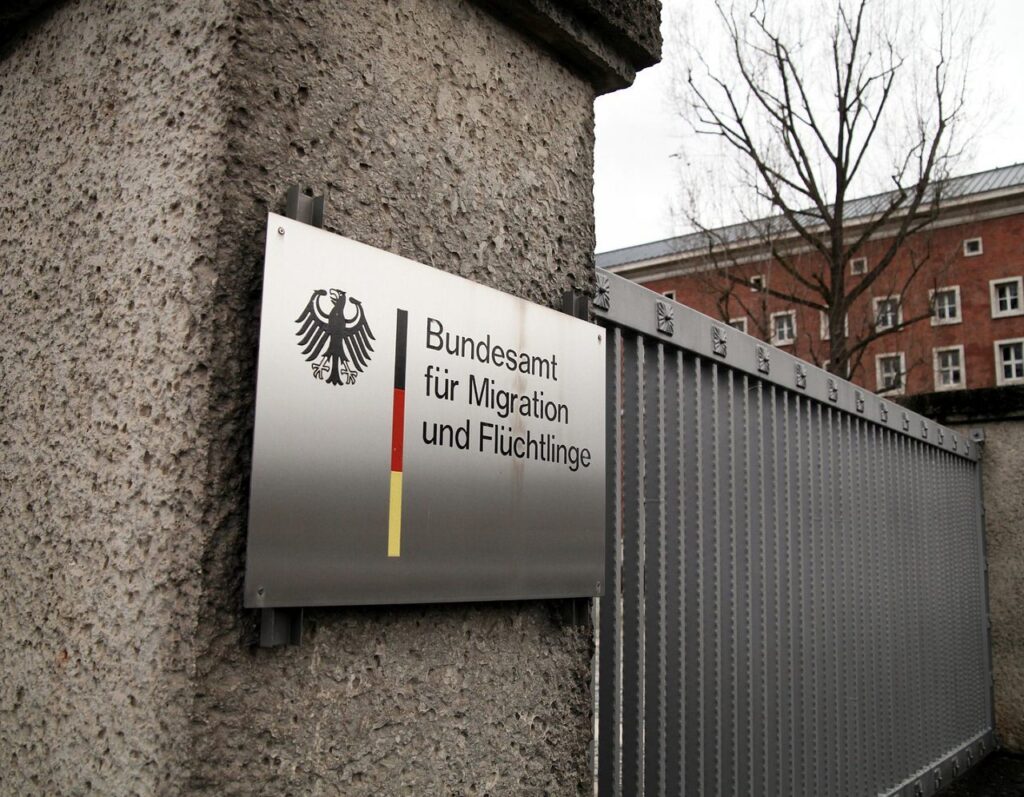
In Germany, the Federal Office for Migration and Refugees (BAMF) has shown a declining acceptance rate for Russian asylum claims, granting only 414 out of 8,000 applications in 2024. This reflects broader EU trends of tightening asylum policies. German politicians have debated the balance between national security and humanitarian obligations, with conservative parties emphasizing border control and expedited procedures, while progressive factions advocate for safeguarding vulnerable groups, including LGBTQ+ refugees.
Public opinion in Germany remains divided. While some citizens support stricter migration policies to address perceived economic and social pressures, others criticize the potential human rights implications, particularly for marginalized communities. Advocacy groups have raised alarms about the pact’s impact on LGBTQ+ refugees, highlighting the challenges of proving persecution under accelerated timelines and the risks posed by the ‘safe third country’ provision.
Germany’s role as a key EU Member State places it at the center of these debates. The country’s historical commitment to human rights and asylum protection is being tested against the backdrop of increasing migration pressures and evolving EU regulations. Policymakers face the challenge of reconciling these competing priorities while addressing public concerns.
Impact on Migrants
For LGBTQ+ refugees in Germany, the new pact introduces significant hurdles. Accelerated procedures may limit their ability to present comprehensive evidence of persecution, reducing their chances of obtaining asylum. The ‘safe third country’ concept further complicates their situation, as countries deemed safe by the EU may not be safe for LGBTQ+ individuals due to local anti-queer laws and societal hostility.
Russian LGBTQ+ asylum seekers are particularly vulnerable, as their claims require detailed documentation of persecution, which may be difficult to compile under expedited timelines. Legal representation and advocacy become critical, but access to these resources may be constrained by the pact’s procedural changes, leaving many at risk of rejection and deportation.
Outlook & Conclusion
The EU Pact on Migration and Asylum represents a shift towards stricter border controls and faster asylum processing, posing challenges for vulnerable groups like LGBTQ+ refugees. In Germany, the implications of these changes will likely spark ongoing debates among policymakers, human rights advocates, and the public. Ensuring fair treatment and protection for marginalized communities will require robust legal frameworks, adequate resources, and a commitment to upholding human rights in the face of evolving migration pressures.
Primary Source: GDELT