



Human Dignity and Revisiting Ideas: Towards Constructive and Balanced Dialogue

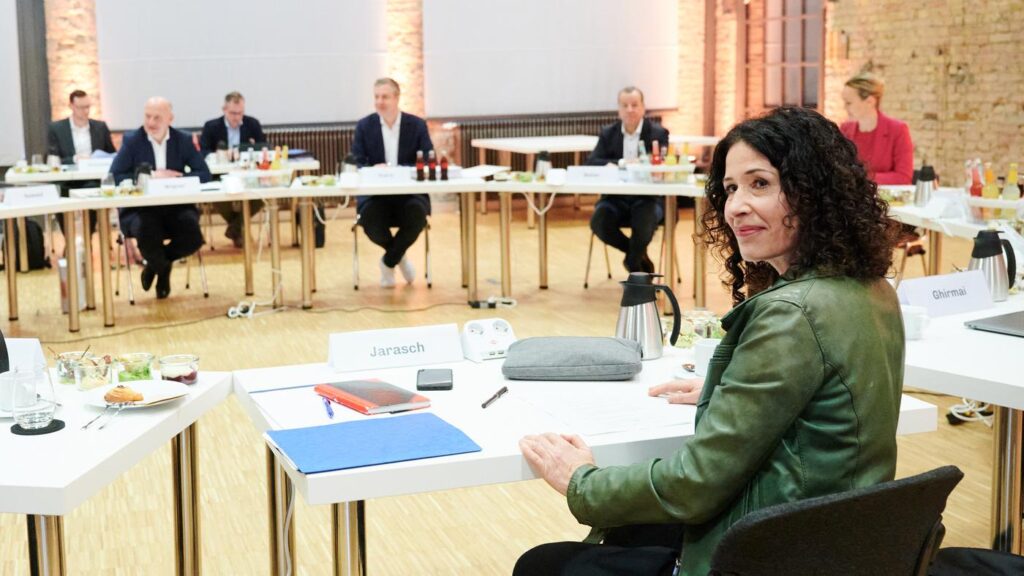
Human Dignity and Revisiting Ideas: Towards Constructive and Balanced Dialogue
First: Human dignity as an immutable principle
Human dignity is not a theoretical concept but an inalienable right that must not be violated under any circumstances. This principle necessitates a clear distinction between the individual as an independent and dignified entity and the ideas or practices they represent. Ideas, no matter how sacred or widespread, remain open to criticism and development. The individual, however, is protected by their dignity, which must not be infringed upon in any way. This distinction is essential to avoid generalizations or the demonization of individuals based on their views or beliefs.
Second: Constructive criticism as a tool for development
Constructive criticism aims to improve ideas and practices without compromising the dignity of individuals. To achieve this, criticism must be objective, fact-based, and free from attacks or insults. For instance, environmental policies of a country can be critiqued without questioning the intentions of its people or leadership. Similarly, religious or cultural concepts can be discussed openly with the aim of understanding and development rather than fostering hostility or exclusion.
Third: The role of institutions in fostering dialogue
Educational, media, and religious institutions play a pivotal role in promoting a culture of constructive dialogue. By providing platforms for open discussions and continuous education, these institutions can help reduce tensions and foster mutual understanding. Schools, for example, could teach students how to think critically without turning it into a tool for personal attacks. Similarly, media could highlight controversial issues objectively, focusing on solutions rather than exacerbating conflicts.
Fourth: Challenges and opportunities
Despite the importance of constructive dialogue, challenges hinder its realization. One of the most significant challenges is ideological polarization, which makes it difficult for different parties to understand each other or find common ground. However, these challenges also present opportunities to enhance dialogue. The more intense the discussions, the greater the need for new and effective tools for communication and understanding.
Fifth: Towards a shared future
To achieve peaceful and sustainable coexistence, we must all work towards fostering a culture of dialogue that respects human dignity and accepts constructive criticism. This requires collective commitment from both individuals and institutions. By focusing on shared values and overcoming differences, we can build a more just and tolerant society.
In conclusion, human dignity must form the foundation of all forms of dialogue and criticism. By separating the individual from their ideas, we can achieve the necessary balance between respecting human dignity and fostering intellectual and social development.