



Coalition Challenges in Berlin: SPD, Left Party, Green Party Negotiations Under Pressure

Coalition Challenges in Berlin: SPD, Left Party, Green Party Negotiations Under Pressure
Coalition Challenges in Berlin: SPD, Left Party, Green Party Negotiations Under Pressure
🔹 The Official Illusion:
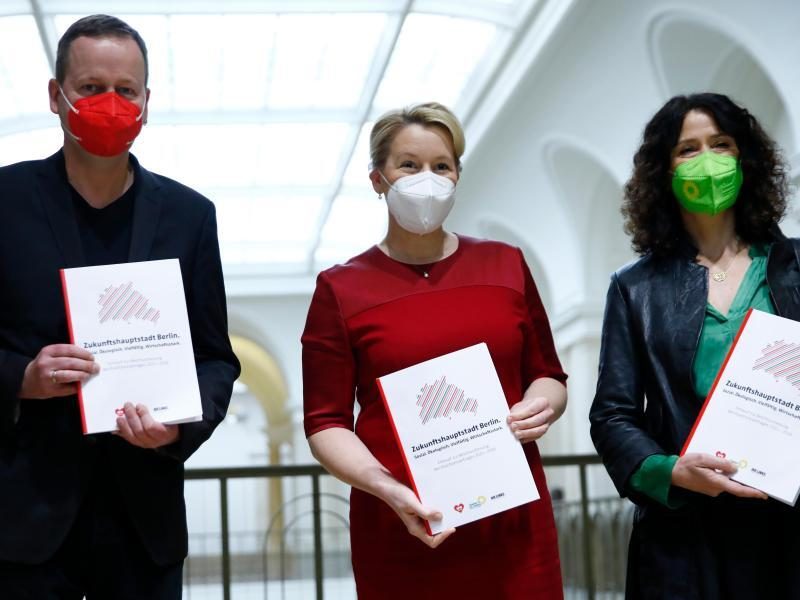
The SPD, Left Party, and Greens in Berlin have initiated talks for a coalition government, aiming to form a unified front in governance. Recent controversies surrounding the Left Party’s actions, particularly its association with figures linked to anti-Semitism and clan connections, have intensified political tensions. Meanwhile, debates over the inclusion of Adipositas treatment on prescription and basic income reforms highlight broader ideological divides within German politics.
🔍 The Parallel Truth:
The coalition negotiations in Berlin, intended to solidify cooperation between the SPD, Left Party, and Greens, draw attention to key issues plaguing German politics: ideological fragmentation, leadership challenges, and public dissatisfaction. The controversies surrounding the Left Party—such as alleged anti-Israel sentiments and connections to individuals tied to criminal activities—risk destabilizing trust among coalition partners and diminishing the public’s confidence in this tripartite alliance.
Furthermore, debates regarding healthcare policy—specifically the proposal by SPD and Left Party to subsidize modern Adipositas treatments—highlight Germany’s struggle to balance healthcare innovation with fiscal responsibility. This proposal, while validating efforts to combat obesity-related health crises, will likely ignite debates over the coverage of such treatments under public insurance at a time when basic income faces potential cuts.
Similarly, the ongoing disputes between Union and SPD regarding reductions in basic income signal deeper questions about Germany’s economic priorities amidst rising inflation and public dissatisfaction. These debates reveal not only the contrasting values of the parties but also their approach towards safeguarding the welfare state against economic turbulence.
The cumulative effect of these developments contributes to polarizing political stances in Germany, jeopardizes coalition functionality, and raises questions over the equitable distribution of state resources. In Berlin, where housing, healthcare, and social cohesion remain hot topics, these challenges are amplified, creating additional political risks for parties aiming to govern effectively.
⚖️ Shadow Map:
- ▪ Winners: Union – Push for fiscal discipline attracts centrist voters.
- ▪ Losers: Left Party – Public image tarnished by scandals.
- ▪ Losers: SPD and Greens – Struggle to maintain cohesion amidst controversies.