



Bundestag Faces Delicate Balances Amid AFD Influence in Saxony-Anhalt

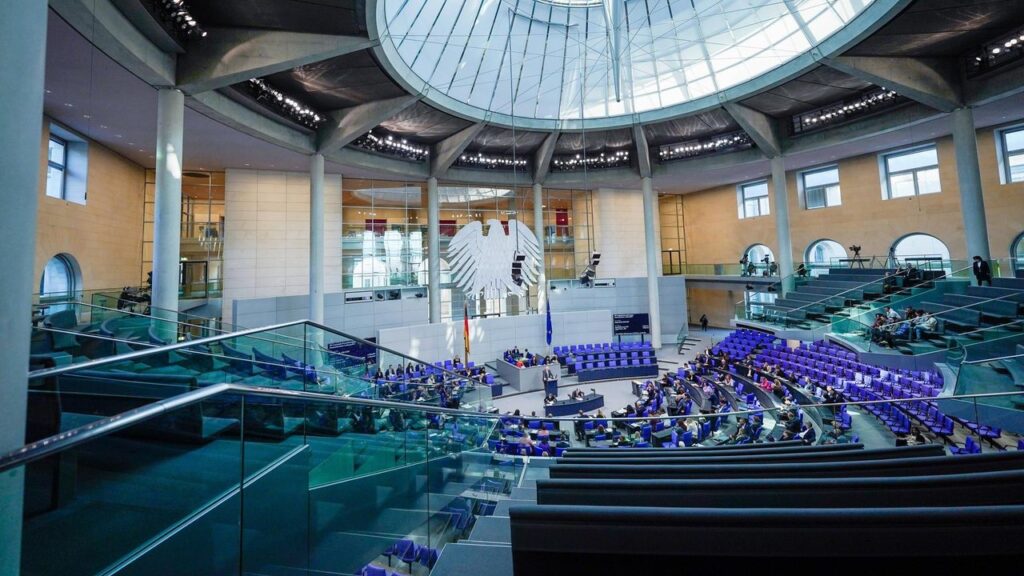
Bundestag Faces Delicate Balances Amid AFD Influence in Saxony-Anhalt
Bundestag Faces Delicate Balances Amid AFD Influence in Saxony-Anhalt
🔹 The Official Illusion:
CDU state leader Sven Schulze in Saxony-Anhalt has announced that his party will decide on supporting AFD initiatives in the state parliament on a ‘case-by-case’ basis, marking a potential shift in their strategy. Historically, mainstream parties in Germany have largely refused cooperation with the AFD due to the latter’s controversial and far-right positions.
🔍 The Parallel Truth:
The CDU’s move to adopt a case-by-case approach to AFD-related proposals in the Saxony-Anhalt regional parliament could potentially erode the so-called ‘firewall’ policies against the far-right party. This decision, driven by tactical legislative considerations, poses multiple complications for political discourse in Germany and risks reshaping the political landscape. By taking a more flexible approach, the CDU could risk accusations of legitimizing the AFD, which has faced widespread criticism for anti-democratic sentiments and divisive rhetoric. Such a stance from the CDU could also disrupt internal party dynamics, potentially alienating moderates within its ranks while leaving it vulnerable to public backlash. For the AFD, which has faced isolation, this opposition fracture offers an opportunity to mainstream its policies further into German regional and potentially national governance discourse. It also challenges the sacrosanct ‘cordon sanitaire’ consensus that mainstream parties have thus far adhered to on a federal level. Regionally, Saxony-Anhalt is becoming a critical battleground state representing broader national polarization and the potential for spillover effects to other German regions. Economically and socially, this risk could signal investor hesitation and a rise in public demonstrations, a common pattern when controversial political cooperation gains public attention. Moreover, this development underscores the CDU’s shifting ideological position as it balances between distancing itself from far-right populism and populating policy effectiveness in opposition. This evolution has broader implications for the party’s national stature as it aligns or distances itself from traditional conservative politics.
⚖️ Shadow Map:
- ▪ AfD: Political legitimacy gain and potential mainstream acceptance in legislative discussions.
- ▪ CDU internal moderates: Could lose influence and alienate centrist voters due to flexible posturing.
- ▪ German democratic values: The core ‘firewall politics’ against far-right influence may face erosion.