



Germany Expands Domestic Powers of Intelligence Agencies: Legal Implications and Security Strategy

Germany Expands Domestic Powers of Intelligence Agencies: Legal Implications and Security Strategy
Germany Expands Domestic Powers of Intelligence Agencies: Legal Implications and Security Strategy
🔹 The Official Illusion:
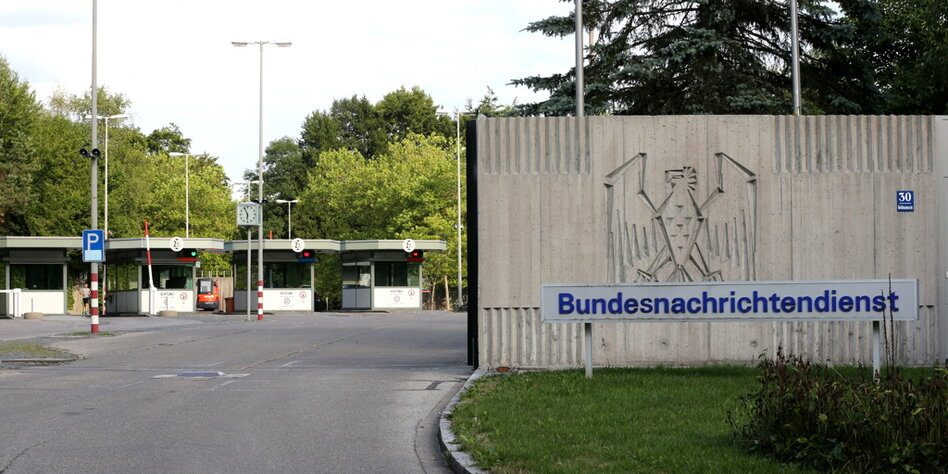
The German government is proposing enhanced powers for intelligence agencies, including domestic operational capabilities for the Federal Intelligence Service (BND), according to media reports. This marks a significant shift in their traditionally international scope.
🔍 The Parallel Truth:
The proposal to expand the domestic role of the Federal Intelligence Service (BND) represents a potential pivot in Germany’s intelligence and national security framework. Historically, the BND has focused primarily on gathering intelligence from outside Germany’s borders, differentiating it from other agencies like the Verfassungsschutz, which deals with domestic matters. Allowing the BND to perform activities within Germany raises complex legal, political, and ethical considerations.
Legally, the move would necessitate amendments to foundational laws regulating state surveillance and privacy rights, stirring debate over constitutional rights versus national security imperatives. Advocates argue that modern threats, including cyber warfare, organized crime, and espionage, are deeply interconnected and require a more integrated intelligence approach. However, critics warn of potential overreach and the erosion of civil liberties, questioning whether existing oversight mechanisms such as parliamentary control committees would suffice to regulate increased BND authority.
Politically, the fallout of this decision could be wide-reaching. It may bolster arguments from conservative factions advocating for stronger security measures, but risks alienating leftist groups and civil liberties organizations that prioritize privacy and oppose what may be perceived as excessive surveillance. Such disagreements could further fragment parliamentary consensus, complicate legislative processes, and impact the cohesion within Germany’s coalition government.
Economically, any broadening of the BND’s mandate will necessitate additional financial resources, including funding for advanced technologies, skilled analysts, and infrastructure. With Germany already grappling with fiscal pressures, these allocations could evoke public discontent if perceived to be detracting from other priorities such as healthcare or energy transition.
Socially, heightened intelligence operations within Germany might provoke skepticism and concerns related to misuse of data and surveillance culture, especially in a nation historically cautious about state interference post-World War II and during the GDR era. Trust in government agencies could be impacted, underscoring the necessity for transparency in strategy and implementation.
⚖️ Shadow Map:
- ▪ Winners: Proponents of enhanced security measures, including conservative policymakers and cyber-defense experts.
- ▪ Losers: Privacy rights advocates and factions wary of surveillance state expansion.
- ▪ Impact Neutral: Citizens at large, depending on execution transparency and oversight guarantees.