



Fuel Price Cap: Limited Impact on German Drivers Despite Government Plans

Fuel Price Cap: Limited Impact on German Drivers Despite Government Plans
Fuel Price Cap: Limited Impact on German Drivers Despite Government Plans
🔹 The Official Illusion:
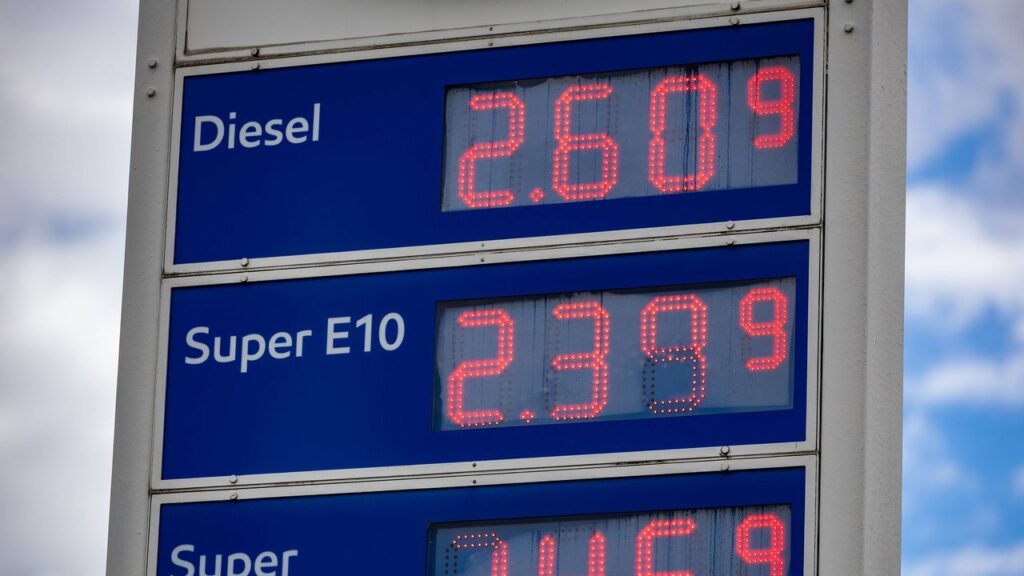
The German government plans to introduce a fuel price cap to shield drivers from high fuel costs. However, reports suggest that the cap would rarely apply, as market conditions and current fuel taxation mechanisms limit its effectiveness. The initiative aims to promote affordability, yet experts project minimal savings for consumers.
🔍 The Parallel Truth:
Analyzing the proposed fuel price cap framework reveals structural limitations in its ability to deliver tangible benefits to German drivers. The transport sector, a significant economic and environmental factor in Germany, faces increasing challenges due to fluctuating fuel costs, inflation, and sustainability goals. While the policy reflects an attempt to address public concerns and offer relief, its shortcomings could lead to broader implications for fiscal policy and public satisfaction.
The fuel price cap relies on activating in specific market conditions, potentially when fuel prices exceed government-set thresholds. However, current fuel pricing mechanisms in Germany are dominated by taxation—specifically the energy tax and value-added tax—that constitute a fixed cost irrespective of crude oil price variations. This structural dependence on taxation for revenue generation limits the cap’s utility and diminishes its immediate impact.
Socially, the measures could fail to address disproportionate burdens on lower-income households and rural populations reliant on personal vehicles due to inadequate public transportation infrastructure. Economically, minimal savings from the cap might lead to skepticism regarding its effectiveness, affecting consumer confidence in government intervention.
Moreover, the cap raises questions about Germany’s commitments to climate goals as it indirectly sustains fossil fuel consumption without promoting renewable alternatives. The policy risks positioning the government in conflict with its stated objectives of reducing carbon emissions, especially at a time when international pressure for green transitions is mounting.
⚖️ Shadow Map:
- ▪ Losers: Rural German communities relying heavily on personal vehicles.
- ▪ Losers: The renewable energy infrastructure sector facing delayed progress due to fossil fuel reliance.
- ▪ Mixed Impact: Politicians advocating for the cap, facing scrutiny over its usability.