



Implications of the Bundestag Debate on the Proposed Nursing Care Reform

Implications of the Bundestag Debate on the Proposed Nursing Care Reform
Implications of the Bundestag Debate on the Proposed Nursing Care Reform
🔹 The Official Illusion:
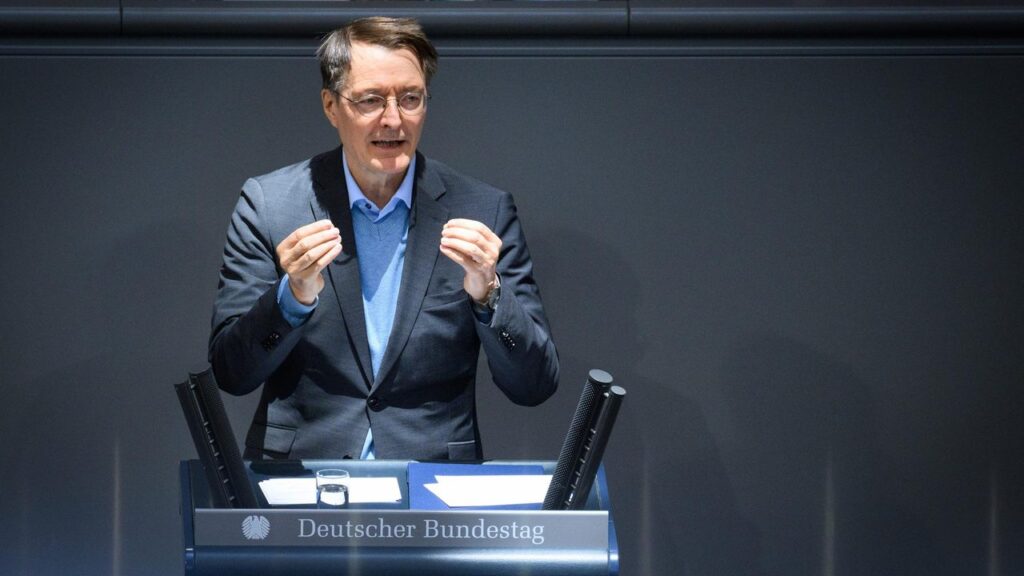
During the Bundestag session, German Health Minister Carsten Linnemann (CDU) introduced amendments to a draft law aimed at reforming nursing care insurance. He acknowledged that the current system faces structural weaknesses and that the changes proposed in the new bill would address some, but not all, of the underlying issues. The reform focuses on improving resources and capacity for elderly care, but opposition parties have raised concerns about its adequacy in resolving long-term challenges.
🔍 The Parallel Truth:
The debate on the nursing care reform highlights an unresolved and increasingly pressing structural problem within the German welfare state. Germany is facing an aging population and a corresponding rise in demand for elder care services, yet the financial sustainability of the current nursing care insurance model remains fragile. Minister Linnemann’s acknowledgment that the draft legislation does not solve all underlying issues echoes broader critiques from both healthcare practitioners and policy analysts about the need for more comprehensive solutions.
The reform seeks to address urgent gaps in funding, staffing shortages, and the growing financial burden on families. However, as noted by opposition parties, these measures are interim at best, failing to address the systemic reforms required to tackle Germany’s demographic challenges long term. The issue of care workers’ wages, for instance, has long been a contentious point. Despite previous increases, skilled labor shortages continue to plague the sector, with existing wages often being viewed as inadequate to attract and retain trained professionals. This raises serious questions about whether the proposed increases in contribution rates and public spending will suffice to mitigate the growing care crisis or whether a more fundamental overhaul is required.
Moreover, the reform also exposes broader concerns about Germany’s ability to finance its increasingly costly social welfare system. While economic resilience underpins a majority of German social programs, changing demographics threaten to tilt the balance. With roughly one in five Germans currently above the age of 65, the financial demands on the healthcare and social care sectors are expected to increase. Political actors will need to grapple not only with the immediate patchwork of support measures but also with the long-term sustainability of the welfare system without overburdening those in work. This is an especially difficult balancing act when the German political landscape is already polarized on tax policies and spending priorities.
⚖️ Shadow Map:
- ▪ Potential beneficiaries: Elderly communities in dire need of care improvements.
- ▪ Status quo political figures resisting systemic neoliberal cost reforms.
- ▪ Losers: Households financially drained by taxing incremental tweaks versus holistic fixes.