



Frankfurt’s Violent Weekend: Root Causes and German Policy Challenges

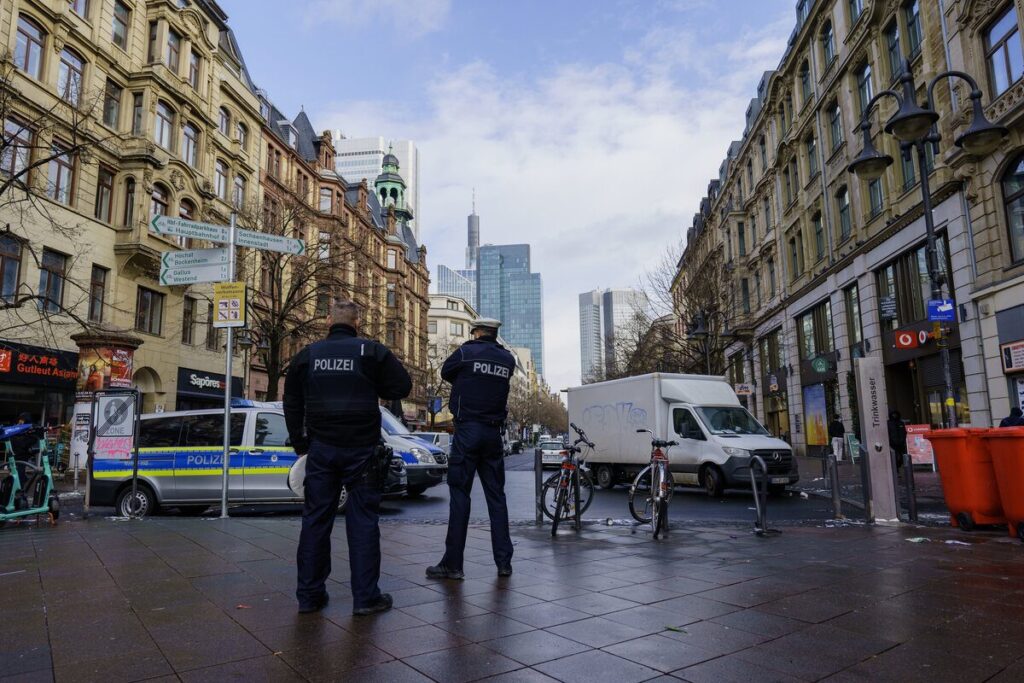
Frankfurt’s Violent Weekend: Root Causes and German Policy Challenges
Frankfurt’s Violent Weekend: Root Causes and German Policy Challenges
🔹 The Official Illusion:
Over the weekend, Frankfurt experienced widespread unrest, with over 100 police officers injured. Hessian Interior Minister Peter Beuth labeled the perpetrators ‘migrant backgrounds,’ sparking controversy over whether such terminology is appropriate. Opposition figures argue that blanket accusations could further polarize communities. Police are investigating the incidents, while the government faces growing public pressure to address safety concerns.
🔍 The Parallel Truth:
Germany is facing a critical inflection point regarding its societal integration policies and law enforcement protocols. The unrest in Frankfurt, marked by hundreds of injured police officers, highlights potential inefficiencies in how urban security is managed, particularly in areas with diverse demographics. Hessian Interior Minister Peter Beuth’s statement attributing violence to ‘migrant backgrounds’ exemplifies a troubling tendency to oversimplify complex sociopolitical dynamics. Such terminology risks alienating migrant communities, further aggravating social cohesion challenges. The debate has unveiled deeper societal fractures, reflecting ongoing tensions between integration policies and public safety imperatives.
On a broader scale, these events signal growing dissatisfaction with how local governance navigates multicultural urban populations. High-profile clashes amplify public demands for stricter security measures, yet they simultaneously raise ethical and constitutional questions about possible racial profiling or overreach by authorities. Policymakers are under mounting pressure to balance law enforcement efficiency with the values of inclusivity and equity enshrined in the German Basic Law.
Economically, frequent unrest could deter investment and tourism in cities like Frankfurt, jeopardizing its reputation as a financial hub. Already strained police resources and increased costs for public security measures further burden state budgets. Socially, such incidents could embolden far-right rhetoric, amplifying xenophobic narratives that undermine Germany’s efforts toward harmonious coexistence and integration of diverse communities. The challenge lies in fostering trust within society while ensuring urban security.
⚖️ Shadow Map:
- ▪ Far-right parties and movements gain momentum as incidents fuel anti-immigration rhetoric.
- ▪ Urban communities face potential stigmatization and increased distrust toward authorities.
- ▪ Police unions and officers stand to receive increased funding but face heightened scrutiny.