



Youth Allegedly Supporting Right-Wing Terror Group Arrested in Germany

Youth Allegedly Supporting Right-Wing Terror Group Arrested in Germany
⏱ 3 min read
Executive Summary
Two German teenagers, aged 16 and 17, were arrested in Thüringen for their alleged involvement with the right-wing terrorist group ‘Letzte Verteidigungswelle.’ The group is accused of planning violent acts, including a failed arson attack on an asylum seeker accommodation, with the aim of dismantling Germany’s liberal democracy. This incident highlights ongoing concerns about extremist threats targeting migrants and political opponents in Germany.
Strategic Context
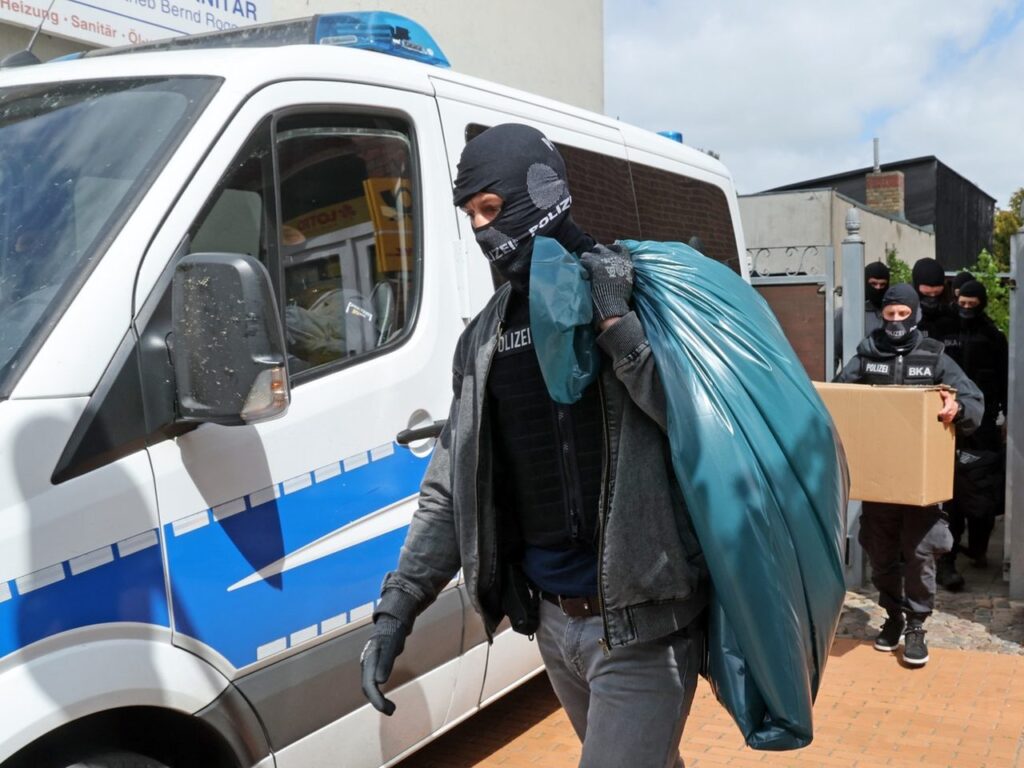
The Federal Prosecutor’s Office arrested two teenagers suspected of supporting the right-wing terrorist group ‘Letzte Verteidigungswelle.’ The group has been under investigation for its violent agenda, which includes targeting migrants and political opponents. The arrests followed a failed arson attack in January 2025 on an asylum seeker accommodation in Schmölln, Thüringen. The suspects allegedly attempted to ignite pyrotechnics inside the building, but no fire broke out. Both individuals are now in custody, facing charges of attempted murder, attempted arson with fatal consequences, and attempted severe arson. Investigations revealed their active involvement in a domestic terrorist organization. The Federal Criminal Police Office and Thüringen police collaborated in the operation, leading to their capture.
Deep Analysis
The arrests have reignited debates about the rise of right-wing extremism in Germany. Politicians across the spectrum have expressed concern about the recruitment of youth into extremist ideologies. While conservative parties like the CDU emphasize the need for stricter security measures and surveillance to combat such threats, progressive factions focus on addressing the socio-economic factors that make young individuals vulnerable to radicalization. Public reactions have been mixed, with some calling for harsher penalties for extremist activities and others urging for more robust integration programs to counter divisive ideologies. The incident also underscores the importance of Germany’s legal framework in addressing terrorism. The Federal Prosecutor’s Office and judiciary have demonstrated their commitment to prosecuting individuals involved in extremist activities, regardless of age. This sends a strong message about the zero-tolerance policy toward threats to democracy. Civil society organizations have also stepped up efforts to counter hate speech and promote inclusivity, aiming to prevent further radicalization among youth. The role of social media in spreading extremist propaganda has been a focal point in discussions, with calls for tighter regulations and monitoring to curb the dissemination of harmful content.
Impact on Migrants
For migrants in Germany, incidents like this exacerbate feelings of vulnerability and insecurity. The targeting of asylum seeker accommodations by extremist groups highlights the persistent challenges migrants face in integrating into German society. Such attacks not only threaten their physical safety but also contribute to a climate of fear and mistrust. Migrants often find themselves at the center of political debates, with their presence being used as a focal point for extremist narratives. This can lead to stigmatization and hinder their ability to establish a stable life in Germany. Advocacy groups have emphasized the need for stronger protections for migrant communities, including increased security measures at asylum centers and broader societal efforts to combat xenophobia.
Outlook & Conclusion
The arrests of these teenagers underline the urgent need for Germany to address the growing threat of right-wing extremism, particularly among youth. Moving forward, policymakers must balance security measures with initiatives aimed at fostering social cohesion and inclusivity. Strengthening legal frameworks, enhancing integration programs, and regulating online platforms will be crucial in safeguarding Germany’s democratic values and ensuring the safety of its migrant communities.
Primary Source: welt.de