



Understanding Pluralism in European Society: Insights from CJEU Decision on Hungary

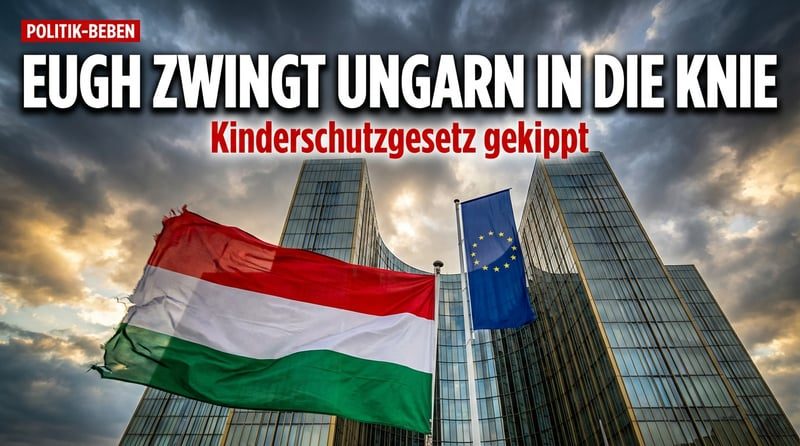
Understanding Pluralism in European Society: Insights from CJEU Decision on Hungary
⏱ 3 min read
Executive Summary
The CJEU’s decision in Case C-769/22 (Commission v Hungary, April 2026) emphasizes the pluralistic nature of European society, rejecting the notion of a singular ‘good society’ model under Article 2 TEU. Instead, the judgment underscores the coexistence of diverse, incommensurable values within the EU framework, advocating for restraint in enforcing convergence towards any one vision of societal norms. This approach reinforces the EU’s commitment to fundamental values while respecting the diversity of its member states.
Strategic Context
Deep Analysis
Germany’s support for this decision aligns with its broader commitment to pluralism and integration within the EU. As a country with a significant migrant population and diverse cultural landscape, Germany benefits from a legal framework that respects differences while upholding shared values. This decision also reflects Germany’s pragmatic approach to EU governance, emphasizing compromise and flexibility over rigid uniformity. By endorsing pluralism, Germany reinforces its role as a leader in promoting tolerance and cooperation within the EU, ensuring that its policies resonate with the diverse needs of its population. Additionally, Germany’s legal and political systems are built on principles that value diversity and dialogue, making this decision a natural extension of its domestic and international commitments.
Impact on Migrants
For migrants in Germany, the CJEU’s emphasis on pluralism provides reassurance that their cultural and moral values will be respected within the broader European framework. This decision supports an inclusive approach to integration, where migrants are encouraged to contribute to society without being forced to conform to a singular vision of social norms. It also strengthens legal protections against discrimination, ensuring that migrants have access to fair treatment and opportunities regardless of their background. Furthermore, the ruling promotes a sense of belonging by validating the coexistence of diverse communities, which is particularly important for migrants seeking stability and acceptance in their new environment. By fostering a pluralistic society, Germany and the EU create conditions for migrants to thrive and integrate successfully.
Outlook & Conclusion
Looking ahead, the CJEU’s decision sets a precedent for balancing diversity and unity within the EU. For Germany, this reinforces its commitment to pluralism and integration, ensuring that its policies remain inclusive and adaptable to the evolving needs of its population. As the EU continues to navigate complex social and political challenges, this approach provides a framework for addressing conflicts while preserving the fundamental values that unite its member states. Migrants in Germany can expect continued support for their integration and participation in a society that values diversity and cooperation.
Primary Source: verfassungsblog.de