



Religious Extremism and Right-Wing Populism: Europe’s Civil Peace at Stake

Religious Extremism and Right-Wing Populism: Europe’s Civil Peace at Stake
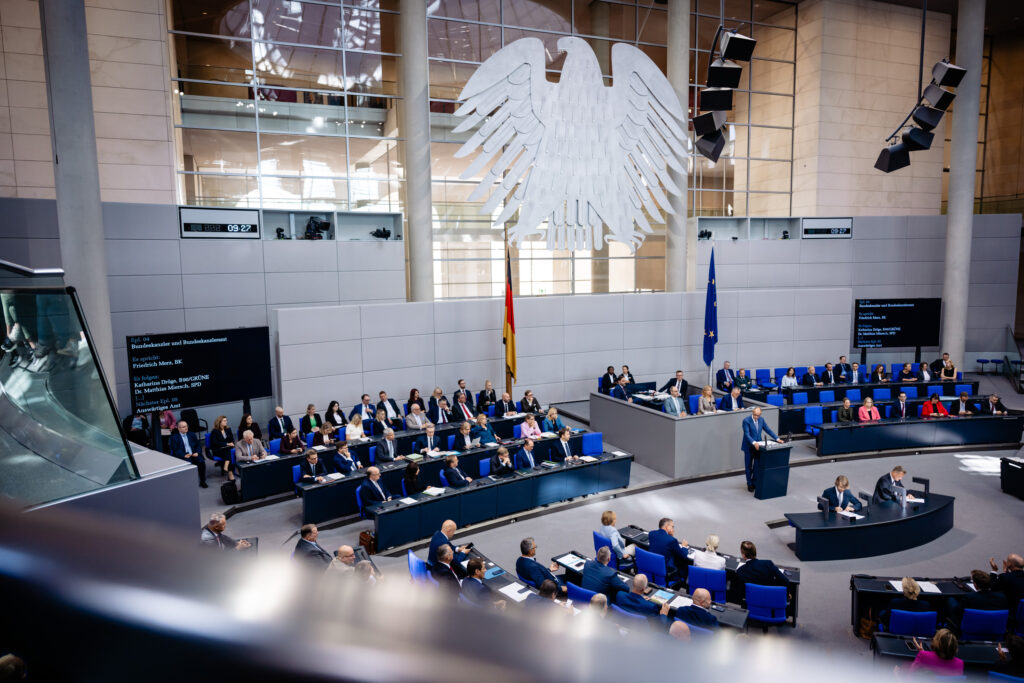
As warnings about extremism and violence intensify in Germany, a dangerous interplay between the ideology of political Islam and the rhetoric of right-wing populism emerges as one of the greatest threats to societal peace. German Chancellor Friedrich Merz, in his recent speech in Munich, emphasized the importance of addressing this challenge by strengthening national cohesion and protecting democratic institutions. This call warrants deep reflection within the context of Europe’s escalating security tensions and widespread protests.
How Religious Extremism Fuels Right-Wing Populism
Religious extremism, particularly political Islam, does not merely seek to dominate Muslim communities; it also provides right-wing populism with its propaganda tools. When extremists promote the rejection of democratic values or incite young Muslims to isolation and societal hostility, they hand parties like the Alternative for Germany (AfD) a convenient narrative to justify their racist and generalized discourse against migrants. This interplay is no coincidence but a direct result of overlapping objectives between the two: both exploit fear and division to achieve political gains.
In Germany, where millions of migrants have fled oppression and extremism in their home countries, this interplay becomes a moral betrayal of peaceful communities. These migrants, seeking safety and dignity in a neutral constitutional state, are stigmatized due to the actions of a radical minority, while right-wing populist parties capitalize on security concerns to justify exclusionary policies. The consequences are mounting pressures on migrants who have chosen to live in a society governed by the rule of law.
Political Islam: An Authoritarian Project Threatening Democracy
Political Islam is not merely a religious movement but an authoritarian project that aims to control society under the guise of religion. It relies on historical religious interpretations crafted during eras of empires and conflicts, forcibly applying them to modern societies built on democracy and the rule of law. This practice creates a cultural schism among young Muslims in Europe, torn between the values of freedom and the rigid, anti-societal messages of political Islam.
The ethical core of religion is meant to serve humanity and uphold human dignity, not to foster blind obedience or hostility toward others. When political Islam speaks of “God’s sovereignty” or “implementing Sharia,” it is, in reality, justifying an authoritarian project fundamentally opposed to democratic values and neutral citizenship. These values have proven to be the most effective in safeguarding human rights and preventing oppression.
Right-Wing Populism: Exploiting Fear to Justify Racism
Conversely, right-wing populism exploits every act of religious extremism to generalize negative perceptions about migrants and Muslims in Europe. Parties like the AfD perpetuate a rhetoric of fear and division, claiming that democratic values are under threat due to “incompatible” cultures. This discourse does not aim to protect democracy but rather to justify exclusionary and racist policies that align with these parties’ agendas.
With protests and security tensions rising in France and Germany, it becomes increasingly urgent to confront this racist rhetoric with the same resolve as religious extremism. Racist responses or unjust generalizations fuel the victimhood narrative of extremists, granting them additional legitimacy to continue their incendiary rhetoric. The solution lies in fostering societal peace through critical awareness that rejects generalizations and legal firmness that isolates inciters without infringing on the rights of peaceful communities.
How to Protect Civil Peace
Combating the interplay between religious extremism and right-wing populism requires a comprehensive strategy based on three pillars: first, promoting critical awareness within society to dismantle both extremist and racist narratives. Second, enforcing legal measures against anyone inciting violence or hatred, regardless of ideological background. Third, supporting migrant communities in integrating into European societies through educational and cultural programs that instill democratic values and citizenship.
Germany’s neutral and just constitutional state is the natural ally of migrants seeking dignity and safety. Therefore, protecting this state from religious extremism and right-wing populism is a shared responsibility of official institutions and civil society. In this context, Chancellor Merz’s call to strengthen national cohesion and protect democratic institutions represents a necessary step that must be translated into practical policies isolating inciters while safeguarding millions of peaceful citizens.
The battle for civil peace in Europe is not merely a security challenge but fundamentally an intellectual and ethical one. Victory requires a clear vision that rejects generalizations, protects human rights, and recognizes democracy as the sole means to prevent oppression and preserve freedoms.