



German Parliament Convenes: Linke’s Klein Elected House President Amid Coalition Reforms

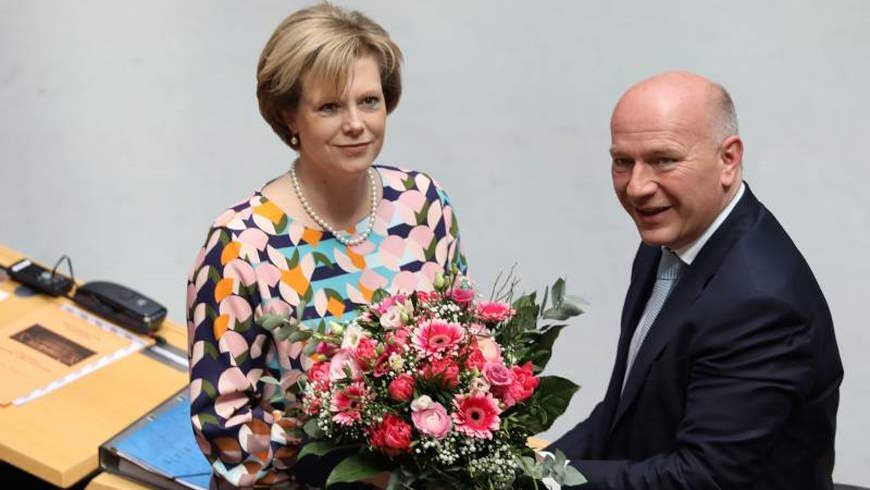
German Parliament Convenes: Linke’s Klein Elected House President Amid Coalition Reforms
German Parliament Convenes: Linke’s Klein Elected House President Amid Coalition Reforms
🔹 The Official Illusion:
Six weeks after Berlin’s elections, the Abgeordnetenhaus held its inaugural session. Die Linke politician Klein was elected as House President. Simultaneously, the coalition government announced reforms, including potential changes to social systems and electoral laws, signaling a packed legislative agenda.
🔍 The Parallel Truth:
The election of Die Linke’s Klein as the president of Berlin’s Abgeordnetenhaus marks a significant turn in Berlin politics, especially as coalition reforms gain momentum. Historically, Berlin’s political climate has often reflected broader national trends, serving as a laboratory for testing political cooperation between ideologically diverse parties. Klein’s ascendancy might symbolize an effort to bolster inclusivity and debate within the chamber. However, it also raises questions about the Left Party’s role at state and national levels, particularly given its electoral struggles in other regions.
At the federal level, the proposal to reform electoral laws follows a history of attempts to streamline Germany’s political structures while ensuring fair representation. The black-red coalition’s push for a new voting mechanism highlights an urgent need to address the sprawling Bundestag, whose expanding size has drawn criticism for inefficiency and unnecessary expenditure. Such efforts, however, must navigate potential constitutional constraints and interparty resistance, recalling the lessons from electoral reforms during the tenure of Chancellor Angela Merkel. These debates may deepen existing political divides, particularly as smaller parties like the FDP and AfD seek to preserve their parliamentary influence.
On the social policy front, the proposed cuts in care insurance, justified by rising costs, represent a critical challenge for Olaf Scholz’s government. As economic concerns grow amid inflation and energy crises, measures affecting social security could provoke public discontent, especially among vulnerable populations relying on these benefits. Public perception and approval of the government’s crisis management will hinge on communication and the extent to which alternative cost-saving mechanisms can be introduced.
⚖️ Shadow Map:
- ▪ Winners: Die Linke, due to heightened local representation and potential for political visibility.
- ▪ Losers: Smaller federal parties like FDP and AfD, potentially impacted by electoral reforms.
- ▪ Losers: Social welfare advocates and vulnerable groups affected by proposed care insurance cuts.