



EU’s Decision to Exclude Ukrainian Military-Age Men from Temporary Protection: Implications for Germany

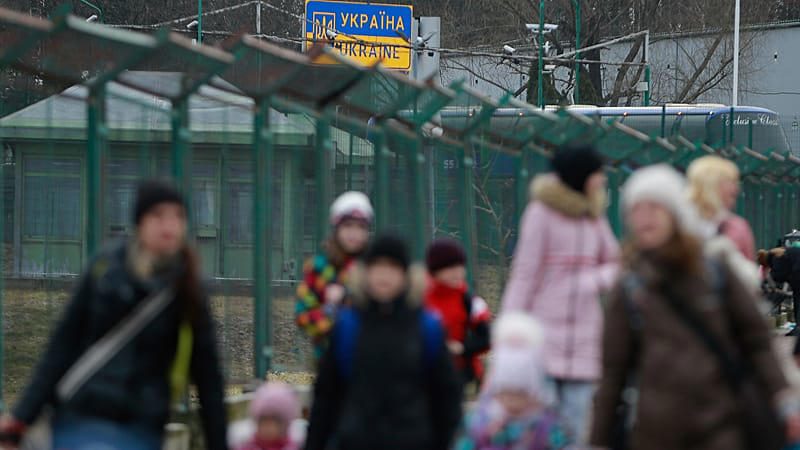
EU’s Decision to Exclude Ukrainian Military-Age Men from Temporary Protection: Implications for Germany
⏱ 3 min read
Executive Summary
The European Union has extended temporary protection status for Ukrainian refugees fleeing the ongoing war with Russia, but excluded military-aged men (23-60 years old) from this protection. This decision, influenced by Ukraine’s request to bolster its fighting force, has sparked debates across Europe, particularly in Germany, where the largest number of Ukrainian refugees reside. The move raises questions about the balance between humanitarian obligations and geopolitical strategies, with significant implications for Germany’s migrant policies and social dynamics.
Strategic Context
On June 26, 2026, the European Union announced the extension of temporary protection status for Ukrainian refugees until March 2027, providing millions with access to residency permits, social welfare benefits, medical care, and education. However, the EU excluded newly arriving Ukrainian men of military age (23-60 years old) from this protection, citing Ukraine’s need to strengthen its military forces amidst its prolonged war with Russia. This exclusion aligns with Ukraine’s request to prevent eligible men from leaving the country and to ensure their availability for military service. The decision applies only to new arrivals and does not affect those already residing in EU countries, including Germany.
Deep Analysis
In Germany, the decision has sparked mixed reactions among politicians and the public. Conservative parties, such as the CDU and AfD, have largely supported the EU’s stance, emphasizing the need to prioritize Germany’s resources for genuine refugees and to uphold international obligations without undermining Ukraine’s war efforts. They argue that the exclusion of military-aged men is a pragmatic measure that aligns with geopolitical realities. On the other hand, progressive voices, including members of the Green Party and SPD, have expressed concerns about the ethical implications of denying protection to individuals fleeing conflict, regardless of their military eligibility. They stress the importance of maintaining Germany’s humanitarian reputation and ensuring equitable treatment for all refugees. Public opinion in Germany remains divided, with some citizens supporting the EU’s decision as a necessary compromise, while others view it as discriminatory and inconsistent with the principles of asylum. The debate highlights broader tensions in Germany’s migration policy, balancing humanitarian commitments with political and economic considerations.
Impact on Migrants
For Ukrainian refugees already residing in Germany, the extension of temporary protection status provides much-needed stability and access to essential services. However, the exclusion of military-aged men from future protection raises concerns about family separation and the potential for increased anxiety among the Ukrainian community. Many families fear that male relatives who attempt to join them in Germany may face legal barriers or be forced to return to Ukraine for military service. This decision also risks creating a perception of unequal treatment among refugees, potentially fostering resentment and social divisions within migrant communities. Ukrainian refugees in Germany may experience heightened uncertainty about their long-term prospects, as the EU’s decision underscores the precarious nature of their status and the geopolitical factors influencing migration policies.
Outlook & Conclusion
Looking ahead, Germany faces the challenge of navigating the complexities of migration policy amidst ongoing geopolitical pressures. While the EU’s decision reflects strategic considerations, it underscores the need for Germany to balance its humanitarian obligations with broader political realities. Policymakers must address the concerns of migrant communities while ensuring that Germany’s approach remains consistent with international standards and ethical principles. The situation calls for continued dialogue and collaboration at both national and EU levels to develop sustainable solutions that uphold the rights and dignity of all refugees.
Primary Source: NewsAPI