



New Building Type E: Simplified and Affordable Construction Legislation Proposed

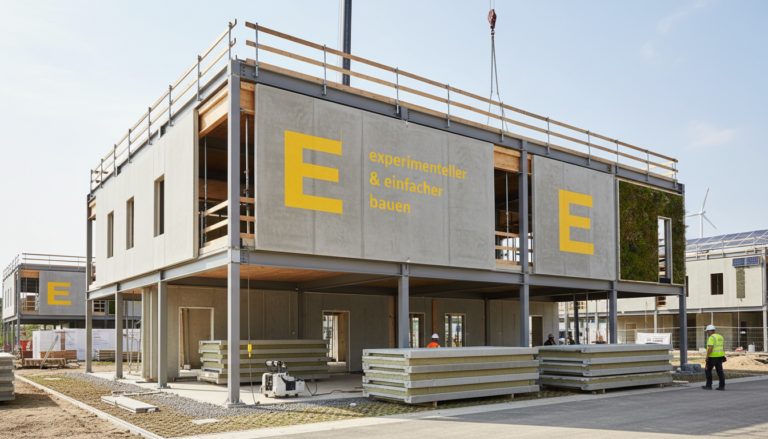
New Building Type E: Simplified and Affordable Construction Legislation Proposed
Germany’s government has introduced a draft law for a new building type, ‘Type E,’ aimed at simplifying construction processes and reducing costs to address the country’s need for affordable housing.
The German government has unveiled a draft law for a new building category called ‘Type E,’ designed to make construction faster, simpler, and more affordable. The proposal, exclusively obtained by ARD’s Hauptstadtstudio, seeks to address the growing demand for affordable housing by allowing builders and planners to forego non-essential standards in both single-family and multi-family housing projects.
The concept behind ‘Type E,’ where ‘E’ stands for ‘simple,’ focuses on distinguishing between essential requirements and optional comfort features that have historically increased construction costs. Examples of such features include extra-high ceilings, thicker soundproof windows, and a specific number of electrical outlets in living rooms. Under current contractual law, deviations from these established standards could lead to legal disputes. The new legislation proposes a framework where project participants can agree in advance to omit certain standards, potentially reducing construction costs by approximately ten percent.
Federal Justice Minister Stefanie Hubig emphasized that safety standards would remain uncompromised under the new law, describing it as a ‘real breakthrough’ for cost-effective construction. Housing Minister Verena Hubertz added that the initiative ensures every euro saved on unnecessary standards contributes to affordable housing. While the draft faced delays due to disagreements within the coalition government, it now includes provisions for ‘Type E’ as a voluntary contractual category. The proposal will be reviewed by federal states and industry associations, with potential amendments expected before its official implementation. The first buildings under this framework are anticipated to be completed in approximately two years.