



Ireland’s EU Presidency: Shaping Competitiveness and Digital Transformation

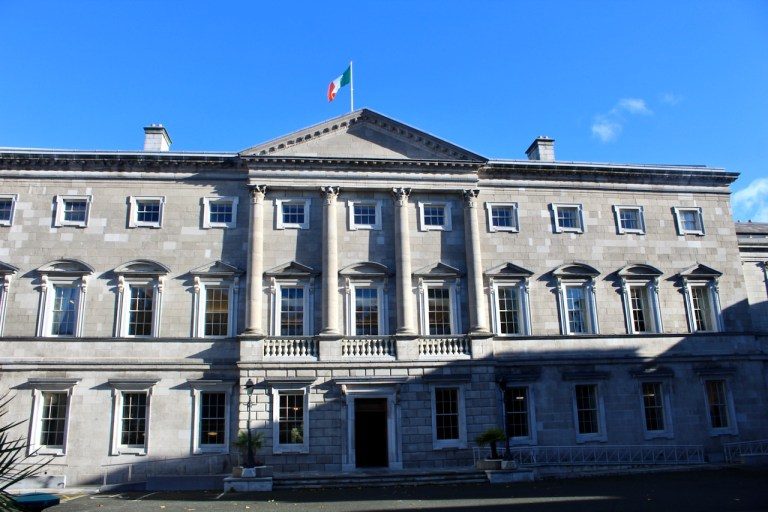
Ireland’s EU Presidency: Shaping Competitiveness and Digital Transformation
⚡ Tech Brief
Ireland’s upcoming EU presidency is set to tackle critical challenges, including competitiveness, digital transformation, and regulatory simplification. With a focus on driving innovation, reducing compliance burdens, and harmonizing financial markets, Ireland aims to steer the EU through legislative reforms that address global pressures and internal inefficiencies.
🔍 Deep Dive
Ireland’s presidency comes at a pivotal moment for the European Union, as the bloc grapples with geopolitical tensions, energy crises, and economic recalibration. Central to its agenda is the ‘One Europe, One Market’ roadmap, which seeks to simplify regulations, boost trade, and accelerate digital and AI adoption. This initiative aims to strengthen Europe’s single market by removing barriers that hinder cross-border commerce and innovation. Simplification measures, often criticized as deregulation, will reduce sustainability reporting requirements under the Green Deal, lowering compliance costs for businesses while maintaining environmental goals. Another key focus is the Savings and Investments Union (SIU), designed to address Europe’s fragmented retail investment market. By harmonizing rules across member states, the SIU hopes to unlock €33 trillion in dormant savings and channel them into start-ups and innovative ventures. Additionally, the Market Integration and Supervision Package (MISP) aims to unify financial services regulations, though concerns about centralized supervision persist, particularly from Ireland, which fears losing its competitive edge in financial services.
🌐 Impact Analysis
The legislative priorities under Ireland’s presidency have profound implications for Europe’s economic and technological landscape. Simplifying regulations and harmonizing investment frameworks could foster a more dynamic start-up ecosystem, enabling European tech companies to compete globally. For the media and digital sectors, the emphasis on AI transformation and reduced compliance burdens could accelerate innovation, making Europe a more attractive hub for digital enterprises. On the societal front, these reforms could lead to job creation in emerging industries while potentially reshaping traditional sectors like agriculture and manufacturing. However, the push for simplification might spark debates about balancing economic growth with sustainability and consumer protections.
🚀 Future Outlook
As Ireland navigates its EU presidency, the success of these initiatives will depend on securing consensus among member states and addressing concerns about centralized oversight. If implemented effectively, these reforms could position Europe as a leader in digital innovation and global competitiveness. Looking ahead, the focus will likely shift to ensuring that these changes translate into tangible benefits for businesses, workers, and consumers across the EU.
Tech Source: GDELT