



The Overlooked Equality Question: Electoral Exclusion of Non-Citizen Residents in Germany

The Overlooked Equality Question: Electoral Exclusion of Non-Citizen Residents in Germany
⏱ 4 min read
Executive Summary
The debate surrounding the electoral exclusion of non-citizen residents in Germany has resurfaced following a proposal by the Left Party (Die Linke) to grant voting rights to non-German nationals after five years of lawful residence. This issue highlights the intersection of democratic legitimacy, equality, and anti-discrimination law, questioning the justification for excluding millions of long-term residents from political participation based on nationality. The discussion challenges traditional interpretations of the German Constitution and underscores the structural disadvantages faced by migrants.
Strategic Context
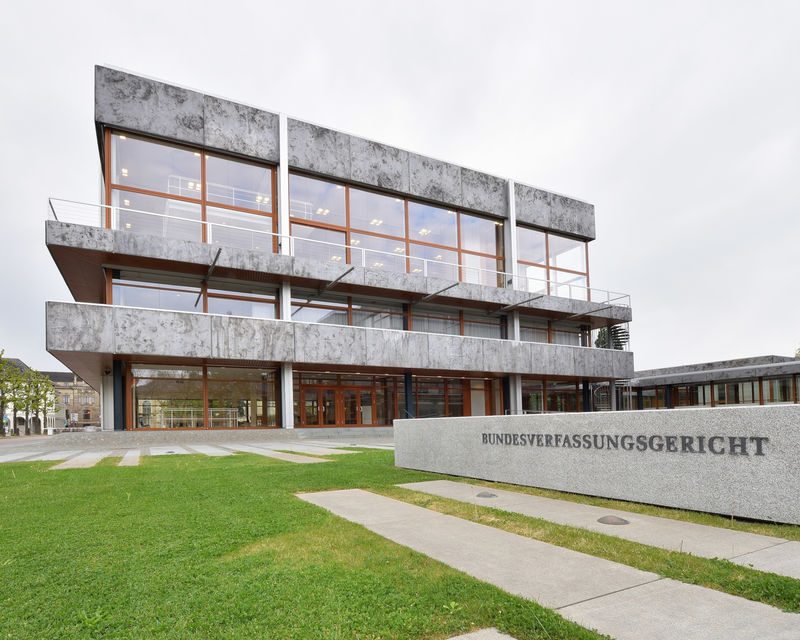
In May, the Left Party submitted a proposal to extend voting rights to non-German residents who have lived lawfully in Germany for at least five years. This reignited a long-standing debate on the democratic and legal implications of linking voting rights to citizenship. Historically, the Federal Constitutional Court’s 1990 rulings upheld this exclusion, citing the constitutional definition of ‘the people’ as the German citizenry. However, these decisions left open the question of whether such exclusions violated other constitutional principles, particularly equality under Article 3 of the Basic Law.
The current proposal challenges the notion that citizenship should be the sole criterion for political participation. Critics argue that this exclusion disproportionately affects individuals with migration backgrounds, many of whom face systemic barriers to naturalization. The debate has also been influenced by the precedent of granting EU citizens the right to vote in local elections, which questions the necessity of citizenship as a prerequisite for political engagement.
Deep Analysis
The proposal has sparked polarized reactions among German political parties. Progressive factions, such as the Left Party and parts of the Green Party, argue that extending voting rights to long-term residents aligns with democratic principles and addresses structural inequalities. They emphasize that individuals who contribute to society and are subject to its laws should have a say in its governance, irrespective of their citizenship status.
Conversely, conservative parties, including the Christian Democratic Union (CDU) and the Alternative for Germany (AfD), oppose the proposal, citing the importance of preserving the traditional link between citizenship and voting rights. They argue that granting voting rights to non-citizens could dilute national identity and undermine the integrity of the electoral process. These parties also emphasize the availability of naturalization as a pathway to political participation, despite the significant barriers it entails.
Public opinion is similarly divided, with some viewing the proposal as a necessary step toward inclusivity and others perceiving it as a threat to national sovereignty. The debate has also highlighted broader issues of integration and social cohesion, with proponents of the proposal arguing that political inclusion is a critical component of successful integration.
Impact on Migrants
The exclusion of non-citizen residents from voting rights perpetuates their marginalization and limits their ability to influence policies that directly affect their lives. Many migrants, particularly those in precarious socio-economic conditions, are disproportionately impacted by this exclusion. They often reside in areas with high concentrations of non-citizens, where their lack of political representation exacerbates existing inequalities.
Furthermore, the barriers to naturalization, such as language requirements, financial stability, and the renunciation of previous citizenships, disproportionately affect migrants from lower socio-economic backgrounds. This creates a cycle of exclusion, where the inability to participate politically reinforces their socio-economic disadvantages, further entrenching systemic inequalities.
Outlook & Conclusion
The debate over extending voting rights to non-citizen residents in Germany underscores the need to reconcile democratic principles with equality and anti-discrimination laws. As the country grapples with questions of integration and social cohesion, addressing the structural barriers to political participation for migrants will be crucial. Future discussions must consider whether the current framework aligns with the constitutional commitment to equality and whether alternative criteria, such as long-term residence, could provide a more inclusive basis for political participation.
Primary Source: verfassungsblog.de