



German Regional Railway Crisis and Growing Political Finance Gridlocks

German Regional Railway Crisis and Growing Political Finance Gridlocks
German Regional Railway Crisis and Growing Political Finance Gridlocks
🔹 The Official Illusion:
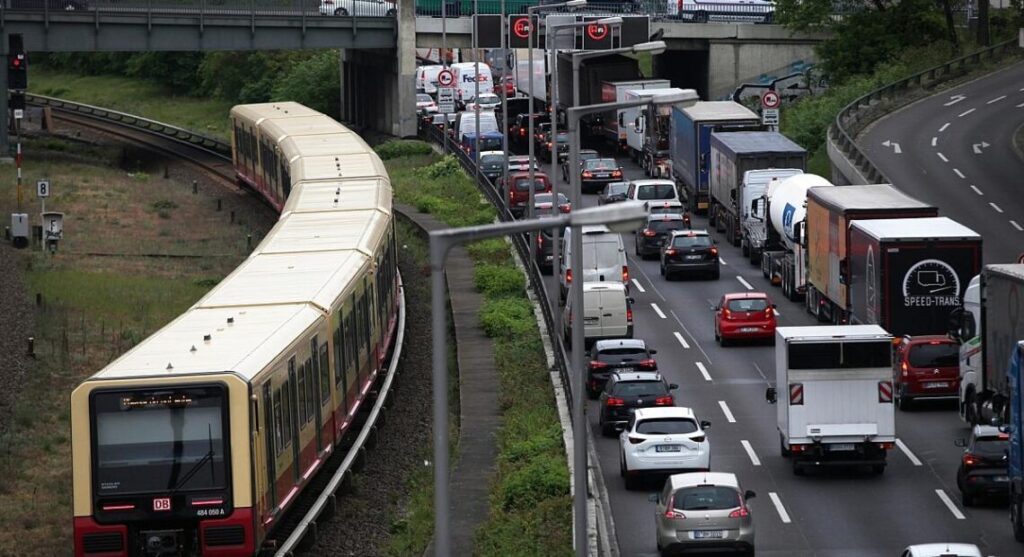
The regional railway system in Germany faces reductions in service due to surging rail fees following a court ruling. Public transportation costs are on the rise, yet a political resolution remains elusive. This uncertainty exacerbates tensions between federal and state governments over funding responsibilities, impacting daily commuters and the broader economy.
🔍 The Parallel Truth:
Germany’s regional rail network, a vital component of its public transportation system, symbolizes efficiency and sustainability. However, recent upheavals point to a looming crisis. Rising operational costs, worsened by a court ruling on rail tolls, have created a significant financial strain on operators and risks reducing train services, particularly in rural and suburban areas. The political stalemate between federal and state governments on compensating these costs underscores systemic inefficiencies in Germany’s fiscal federalism.
From a political perspective, the coalition government now faces criticism for its inability to produce a timely solution, challenging trust in its competence to manage critical infrastructure. The delays risk driving more commuters towards private vehicles, undermining Germany’s climate goals aimed at reducing greenhouse gas emissions. The inability to ensure dependable rail services could further polarize domestic debates on urban-rural equality, as rural areas depend disproportionately on such services.
Economically, this crisis puts pressure on small and medium-sized enterprises (SMEs) across the country relying on affordable commuting options for their workforce. Likewise, delays in resolving the funding dispute discourage international investors, potentially impacting Germany’s reputation as a pro-business nation. Socially, the potential service reductions are likely to inflame public dissatisfaction, particularly among low-income groups and students who rely on affordable transport for mobility.
⚖️ Shadow Map:
- ▪ [Losers] Regional commuters as their access to affordable transport shrinks.
- ▪ [Losers] Federal Ministry of Transport owing to public criticism on funding inefficiency.
- ▪ [Losers] Environmental advocates as declining train services may push people to use cars, increasing emissions.