



AI-Powered Traffic Monitoring: Legal and Ethical Challenges in Germany

AI-Powered Traffic Monitoring: Legal and Ethical Challenges in Germany
⚡ Tech Brief
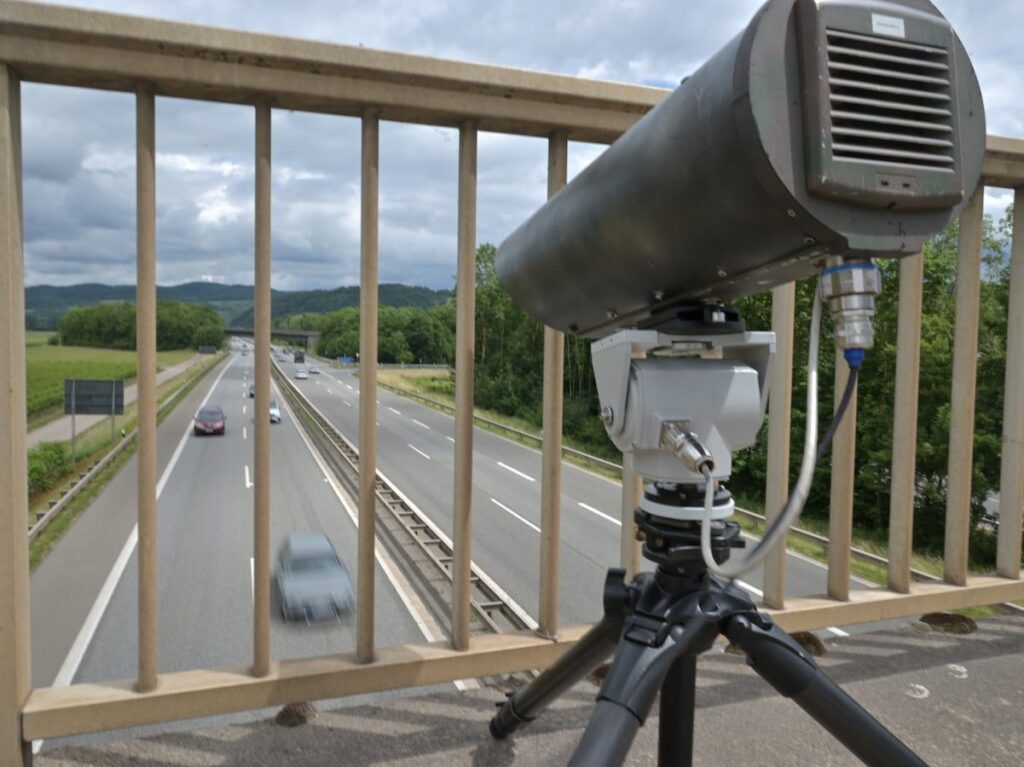
Germany’s MonoCam system, powered by artificial intelligence (AI), aims to enforce traffic laws by detecting drivers using mobile phones while driving. However, a recent ruling by the Higher Regional Court of Koblenz questions the legality of this technology, citing privacy concerns and the lack of a proper legal framework for its deployment.
🔍 Deep Dive
The MonoCam system represents a significant leap in traffic law enforcement technology. Using AI, it analyzes live footage from cameras to detect drivers engaging in prohibited behavior, such as using mobile phones. The system identifies license plates, scans windshields, and detects hand movements associated with mobile phone usage. If a potential violation is identified, the system saves the relevant image while anonymizing other passengers to protect their privacy. Despite its technological sophistication, the court ruling highlights critical legal issues. The AI’s initial step of analyzing and storing images of all drivers, even briefly, infringes on the right to informational self-determination under German constitutional law. Furthermore, the court found that existing legal provisions, such as those in the German Code of Criminal Procedure (StPO) and the Road Traffic Act (StVO), do not provide a sufficient basis for such widespread surveillance. The lack of a clear legal framework for AI-driven mass monitoring raises questions about its admissibility in enforcing minor traffic violations.
🌐 Impact Analysis
The MonoCam case underscores the growing tension between technological innovation and individual privacy rights. On one hand, AI-driven systems like MonoCam promise to improve road safety and reduce distracted driving, a major cause of accidents. On the other hand, they challenge fundamental rights, such as the ability to control one’s personal data. For media and society, this case serves as a reminder of the ethical dilemmas posed by surveillance technologies. It raises concerns about the normalization of mass monitoring and its potential misuse, especially if deployed without robust legal safeguards. Economically, the adoption of such technologies could drive demand for AI development and legal expertise, but also spark resistance from privacy advocates and civil rights organizations.
🚀 Future Outlook
As AI continues to permeate public infrastructure, the MonoCam case signals the need for clearer legal frameworks and ethical guidelines to balance innovation with privacy rights. Policymakers and technologists must collaborate to ensure that AI systems are both effective and respectful of individual freedoms. The debate around MonoCam could set a precedent for how AI-powered surveillance technologies are regulated in Europe and beyond.
Tech Source: verfassungsblog.de