



Comprehensive Study on Migration and Integration: Research Initiatives and Analytical Frameworks
This study examines migration and integration through a multidisciplinary lens, focusing on sociological, legal, and policy frameworks in Germany and Europe. It emphasizes evidence-based research initiatives and analytical models that address demographic shifts, labor market dynamics, cultural integ
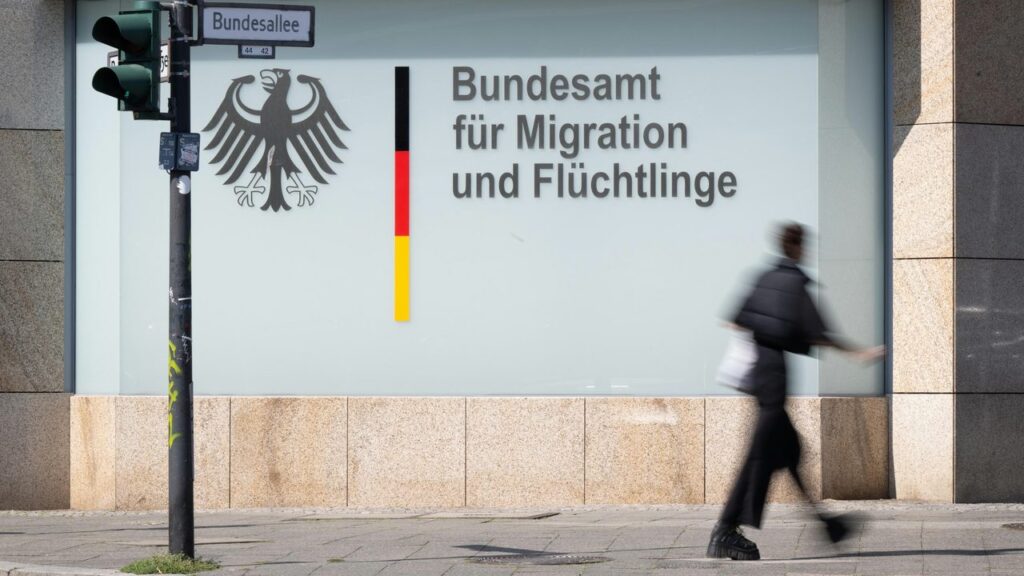
Comprehensive Study on Migration and Integration: Research Initiatives and Analytical Frameworks
European Center for Migration and Integration Studies (InfoGrat), Germany
Core Thesis & Primary Hypotheses
This study examines migration and integration through a multidisciplinary lens, focusing on sociological, legal, and policy frameworks in Germany and Europe. It emphasizes evidence-based research initiatives and analytical models that address demographic shifts, labor market dynamics, cultural integration, and institutional responses to migration challenges, aiming to provide actionable insights for sustainable policy development.
Empirical Data & Key Analytical Metrics
- 🔬 Germany received over 1.2 million asylum applications between 2015 and 2022, with Syrians, Afghans, and Iraqis forming the largest groups.
- 🔬 EU-wide integration programs, such as AMIF (Asylum, Migration, and Integration Fund), allocated €9.88 billion for 2021-2027 to support member states’ efforts.
- 🔬 Labor market integration remains uneven, with migrant unemployment rates in Germany at 12.3% compared to 4.9% for native-born citizens (2022).
- 🔬 Language acquisition programs in Germany report a 68% success rate in enabling migrants to achieve B1-level proficiency within two years.
Comprehensive Study Text & Deep Analysis
Historical Context of Migration in Europe
Migration in Europe has historically been shaped by economic, political, and social factors. Post-World War II labor shortages led to significant guest worker programs, while the 1990s saw increased migration due to conflicts in the Balkans. The 2015 refugee crisis marked a pivotal moment, with over one million asylum seekers arriving in Germany alone. These events underscore the need for robust integration policies to address diverse migrant profiles, ranging from economic migrants to refugees fleeing persecution.
Integration Challenges in Germany
Germany’s integration framework has evolved significantly, yet challenges persist. Language acquisition remains a cornerstone of integration, with programs such as ‘Integration Courses’ providing essential support. However, disparities in labor market outcomes highlight structural barriers, including credential recognition and discrimination. The education system also faces hurdles in accommodating migrant children, with studies showing lower academic performance among first-generation migrants compared to native-born peers. Addressing these gaps requires targeted policy interventions and sustained investment.
Legal and Policy Frameworks
The legal landscape governing migration and integration in Germany is complex, encompassing EU directives, national laws, and regional policies. The 2005 Immigration Act marked a turning point, introducing integration as a legal obligation. Recent reforms, such as the Skilled Workers Immigration Act (2020), aim to attract qualified professionals while streamlining asylum procedures. However, balancing security concerns with humanitarian obligations remains a delicate task. Policy coherence across federal and state levels is crucial for effective implementation.
Sociological Perspectives on Integration
Integration is not merely a policy issue but a sociological process involving mutual adaptation. Cultural integration often faces resistance, with public opinion surveys revealing mixed attitudes toward migrants. Social cohesion initiatives, such as intercultural dialogue programs, play a vital role in bridging divides. However, the rise of populist rhetoric in some EU states poses risks to inclusive integration efforts. A nuanced understanding of societal dynamics is essential for fostering long-term harmony.
Economic Contributions of Migrants
Migrants contribute significantly to the economy, particularly in sectors facing labor shortages such as healthcare and construction. Studies indicate that migrant entrepreneurship is on the rise, with over 20% of new businesses in Germany founded by individuals with migration backgrounds. Despite these contributions, economic integration remains uneven, with higher unemployment rates among migrants. Policies promoting skills training and credential recognition are key to unlocking their full economic potential.
Future Directions for Research and Policy
Strategic Projection & Policy Outlook
Germany and Europe must adopt a forward-looking approach to migration and integration, emphasizing evidence-based policymaking and cross-sector collaboration. Key priorities include enhancing labor market access, expanding language acquisition programs, and fostering social cohesion through intercultural initiatives. EU-wide frameworks, such as AMIF, should be leveraged to ensure equitable resource distribution. Policymakers must also address emerging challenges, including climate-induced migration, to build resilient and adaptive systems for the future.