



Analyzing Migration Policies in Germany: Lessons from Peru’s Presidential Election

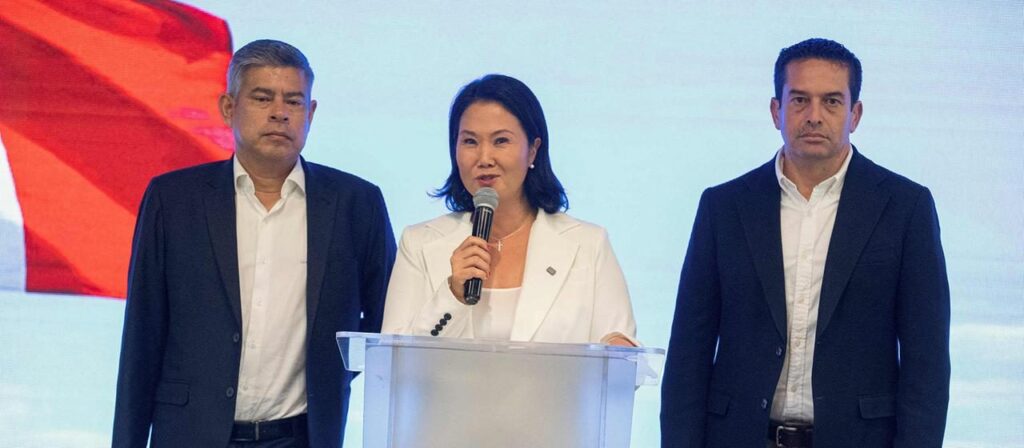
Analyzing Migration Policies in Germany: Lessons from Peru’s Presidential Election
⏱ 3 min read
Executive Summary
The recent presidential election in Peru, narrowly won by conservative candidate Keiko Fujimori, highlights global debates on migration and crime control. Fujimori’s proposed policies on organized crime and irregular migration resonate with similar discussions in Germany, where migration remains a critical socio-political issue. This analysis examines Germany’s migration policies in light of global trends and the implications for migrants on German streets.
Strategic Context
Keiko Fujimori, representing the conservative Fuerza Popular party, won Peru’s presidential election with 50.13% of the vote, narrowly defeating leftist candidate Roberto Sánchez, who garnered 49.86%. The election was marked by prolonged vote counting and Sánchez’s refusal to accept the results, reflecting political instability in Peru. Fujimori, daughter of former President Alberto Fujimori, has pledged to combat organized crime and irregular migration while pursuing economic deregulation. Her father’s legacy, characterized by economic stabilization and human rights controversies, casts a shadow over her leadership. Peru’s political landscape remains fraught, with frequent conflicts between the executive and legislative branches, as evidenced by eight presidents in the last decade.
Deep Analysis
In Germany, migration policies have been a focal point of political debates, particularly among conservative and right-wing parties like the AfD and CDU. Fujimori’s stance on irregular migration and crime control echoes sentiments expressed by these parties, which advocate for stricter border controls and enhanced security measures. The German public remains divided, with some supporting tougher policies to address perceived challenges posed by migration, while others emphasize humanitarian obligations and integration efforts. Historically, Germany has faced migration crises, such as the influx of refugees in 2015, which tested its capacity for integration and sparked political polarization. Comparatively, Fujimori’s approach aligns with global conservative trends, emphasizing security and economic stability over expansive migration policies. German policymakers may draw lessons from Peru’s election, particularly in balancing public concerns with international obligations.
Impact on Migrants
Migrants in Germany could face heightened scrutiny and stricter regulations if conservative parties gain influence, inspired by global examples like Fujimori’s policies. This may exacerbate challenges in accessing social services, employment, and legal protections, further marginalizing vulnerable groups. Conversely, Germany’s robust legal framework and commitment to human rights provide a counterbalance, ensuring that migrants retain fundamental protections despite political shifts. The discourse surrounding Fujimori’s election underscores the importance of addressing migration issues with nuance, avoiding blanket policies that could undermine integration efforts.
Outlook & Conclusion
Germany’s approach to migration will continue to evolve, influenced by both domestic debates and international examples like Peru’s election. Policymakers must navigate the complex interplay between security, economic needs, and humanitarian obligations, ensuring that migration policies are both effective and equitable. The future of migration in Germany hinges on fostering dialogue and collaboration across political and social divides.
Primary Source: tagesschau.de