



Global Security Analysis: Defense, Counter-Terrorism, and Evidence-Based Approaches to Combating Extremism

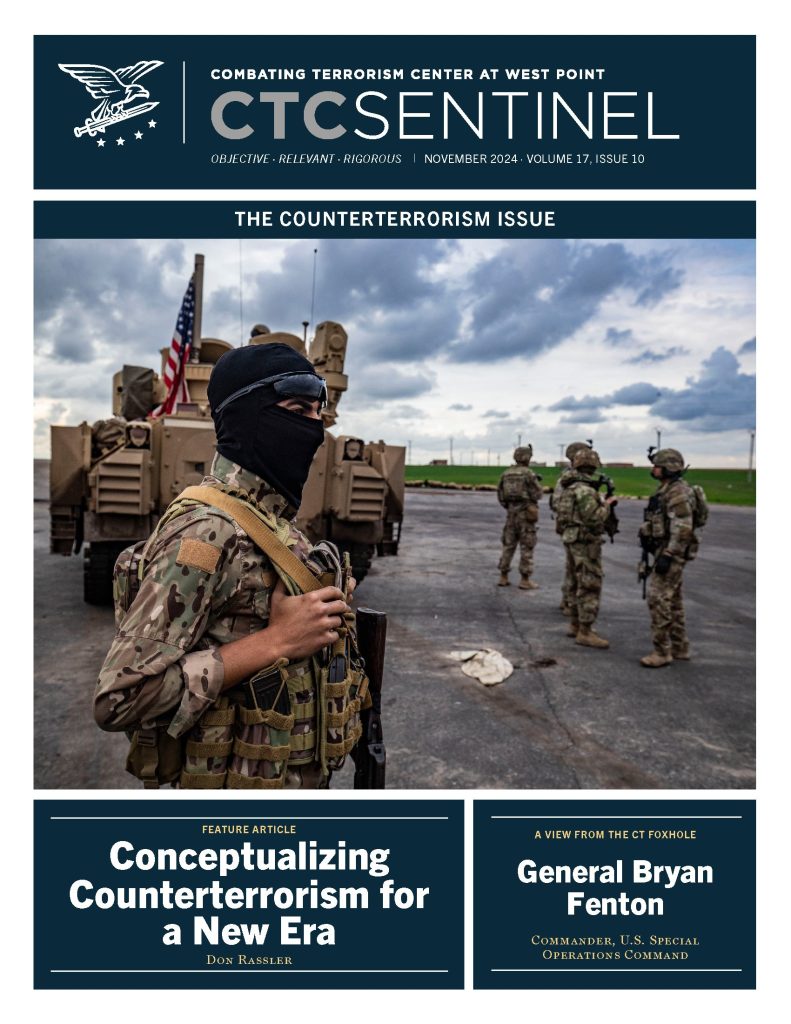
Global Security Analysis: Defense, Counter-Terrorism, and Evidence-Based Approaches to Combating Extremism
???? International Radar | Source: Royal United Services Institute (RUSI) and International Centre for Counter-Terrorism (ICCT)
The Global Threat
Insights from RUSI and ICCT emphasize the critical need to integrate security policy analysis with evidence-based approaches to tackle global terrorism and extremism. RUSI focuses on delivering comprehensive analyses on defense and security topics, while ICCT develops practical strategies grounded in respect for human rights and the rule of law. The global threat highlights the necessity for international collaboration in addressing security challenges aimed at fostering global stability and communities free from extremist threats.
German Implication
Germany, being a central actor in the European Union, faces significant security challenges in combating global terrorism and transnational extremism. Leveraging studies provided by RUSI and ICCT can strengthen Germany’s security strategies, enhancing legislative measures, and better synchronizing intelligence operations with international standards. The compatibility and overlap of these approaches provide Germany with a roadmap for coordinating its counter-terrorism efforts alongside other European nations, as well as reinforcing transatlantic collaboration mechanisms. Simultaneously, Germany must focus on developing internal initiatives to counter local extremist movements, utilizing the advanced methods and techniques elaborated in these institutions’ publications.
Doctrine Directives
- ????️ Develop educational programs based on ICCT studies to boost societal awareness and emphasize the importance of human rights during security operations.
- ????️ Utilize RUSI publications to update Germany’s legislative framework on defense and security in alignment with global advancements.
- ????️ Enhance collaborative efforts within the EU, following insights from both institutions, focusing on transnational extremism and the implementation of cooperative intelligence policies.
The Blind Spot
A notable gap exists in focusing on non-member communities. These reports underemphasize how to enhance global security without exclusive membership access. A deeper analysis of the role of the private sector and international corporations could enrich future recommendations.