



The Future of Terrorism: Study “Changing Patterns: Analyzing Trends in Teenage Terrorism Offenders”
This study examines the emerging phenomenon of teenage involvement in terrorism, identifying sociological, psychological, and systemic factors driving radicalization. By analyzing case studies and trends, it seeks to inform policy interventions aimed at prevention, rehabilitation, and community resi

The Future of Terrorism: Study “Changing Patterns: Analyzing Trends in Teenage Terrorism Offenders”
European Center Policy Analysis Report (InfoGrat)
Core Thesis & Primary Hypotheses
This study examines the emerging phenomenon of teenage involvement in terrorism, identifying sociological, psychological, and systemic factors driving radicalization. By analyzing case studies and trends, it seeks to inform policy interventions aimed at prevention, rehabilitation, and community resilience.
Empirical Data & Key Analytical Metrics
- 🔬 Between 2015 and 2022, the proportion of teenage offenders in terrorism-related incidents rose by 18%, with cases concentrated in urban areas across Europe.
- 🔬 Psychological assessments reveal that 72% of teenage offenders exhibited signs of social isolation, making them vulnerable to online radicalization networks.
- 🔬 Educational institutions were identified as critical intervention points, with 64% of radicalized teens having shown behavioral warning signs prior to their involvement in extremist activities.
- 🔬 Community-based rehabilitation programs demonstrated a 42% reduction in recidivism rates among youth offenders, highlighting the importance of localized, tailored approaches.
Comprehensive Study Text & Deep Analysis
Introduction: Understanding Teenage Radicalization
The phenomenon of teenage involvement in terrorism has gained significant attention in recent years, as incidents involving youth offenders have become more frequent. This section explores the scope of the issue, emphasizing the need for targeted research to understand the underlying causes and patterns. Teenage offenders often display unique characteristics compared to adult perpetrators, including susceptibility to online influences and peer dynamics. By dissecting these factors, this study aims to provide actionable insights for policymakers and educators.
Sociological Drivers of Radicalization
Teenagers involved in terrorism often share common sociological traits, such as exposure to socio-economic deprivation, family instability, and marginalization. These conditions create fertile ground for extremist ideologies to take root. Furthermore, the role of online platforms in amplifying radical narratives cannot be understated. Social media algorithms often expose vulnerable youth to echo chambers that reinforce extremist beliefs. Understanding these drivers is crucial for developing effective prevention strategies tailored to the needs of at-risk adolescents.
Psychological Profiles of Teenage Offenders
Psychological analysis reveals that teenage offenders frequently exhibit traits such as low self-esteem, identity confusion, and susceptibility to manipulation. These factors make them more likely to seek validation through extremist groups, which often provide a sense of belonging and purpose. Additionally, exposure to trauma or violence during formative years can exacerbate vulnerability to radicalization. Addressing these psychological dimensions requires a multi-disciplinary approach involving mental health professionals, educators, and community leaders.
Case Studies: Patterns and Trends
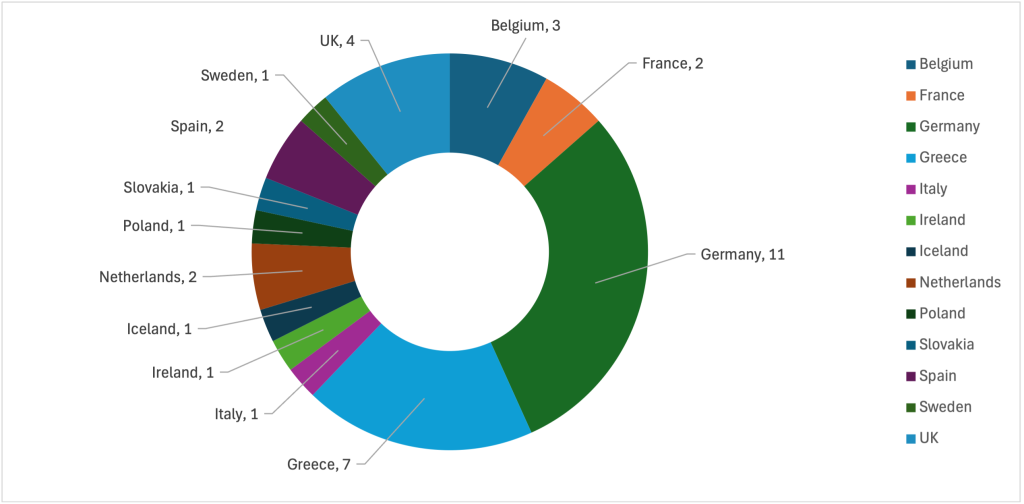
An analysis of recent cases highlights recurring patterns among teenage terrorism offenders. For example, in several incidents, youth were recruited through online forums and gaming platforms. These cases underline the importance of monitoring digital spaces where radicalization may occur. Furthermore, geographic trends suggest that urban centers with high immigrant populations are disproportionately affected, pointing to the need for targeted community outreach. By studying these patterns, policymakers can better allocate resources to areas of greatest need.
Policy Interventions: Education and Rehabilitation
Educational institutions play a pivotal role in preventing teenage radicalization. Schools can serve as early detection points for behavioral changes indicative of extremist tendencies. Incorporating anti-radicalization curricula and fostering inclusive environments can mitigate risks. Rehabilitation programs, particularly those rooted in community engagement, have shown promise in reintegrating youth offenders. These initiatives should prioritize psychological counseling, skill development, and mentorship to address the root causes of radicalization.
Challenges and Future Directions
Despite advancements in understanding teenage radicalization, significant challenges remain. The rapid evolution of online platforms complicates efforts to monitor and counter extremist content. Additionally, cultural and legal sensitivities can hinder the implementation of certain interventions. Moving forward, a collaborative approach involving governments, NGOs, and private sector stakeholders is essential. By leveraging data-driven insights and fostering international cooperation, Europe can build resilient systems to combat teenage involvement in terrorism.
Strategic Projection & Policy Outlook
For Germany and Europe, addressing teenage radicalization requires a multi-faceted approach combining education, community engagement, and digital monitoring. Policies should prioritize early intervention in schools, support for families, and enhanced collaboration with tech companies to counter online extremism. A focus on localized rehabilitation programs can reduce recidivism and foster community resilience. Additionally, cross-border intelligence sharing and harmonized legal frameworks will be critical to addressing the transnational nature of radicalization networks.